
SNADI NKW Hybrid Solar Inverter


Main Feature
- Wall-mounted with battery cable
- Built-in PWM 30A PV Input 25/50VDC
- Compatible work with LiFePO4 battery via RS485
- Low frequency(Built in ring transformer)
- Support multiple output priority: SBU,SUB
- EQ function to optimize battery performance and extend lifecycle
Product Details
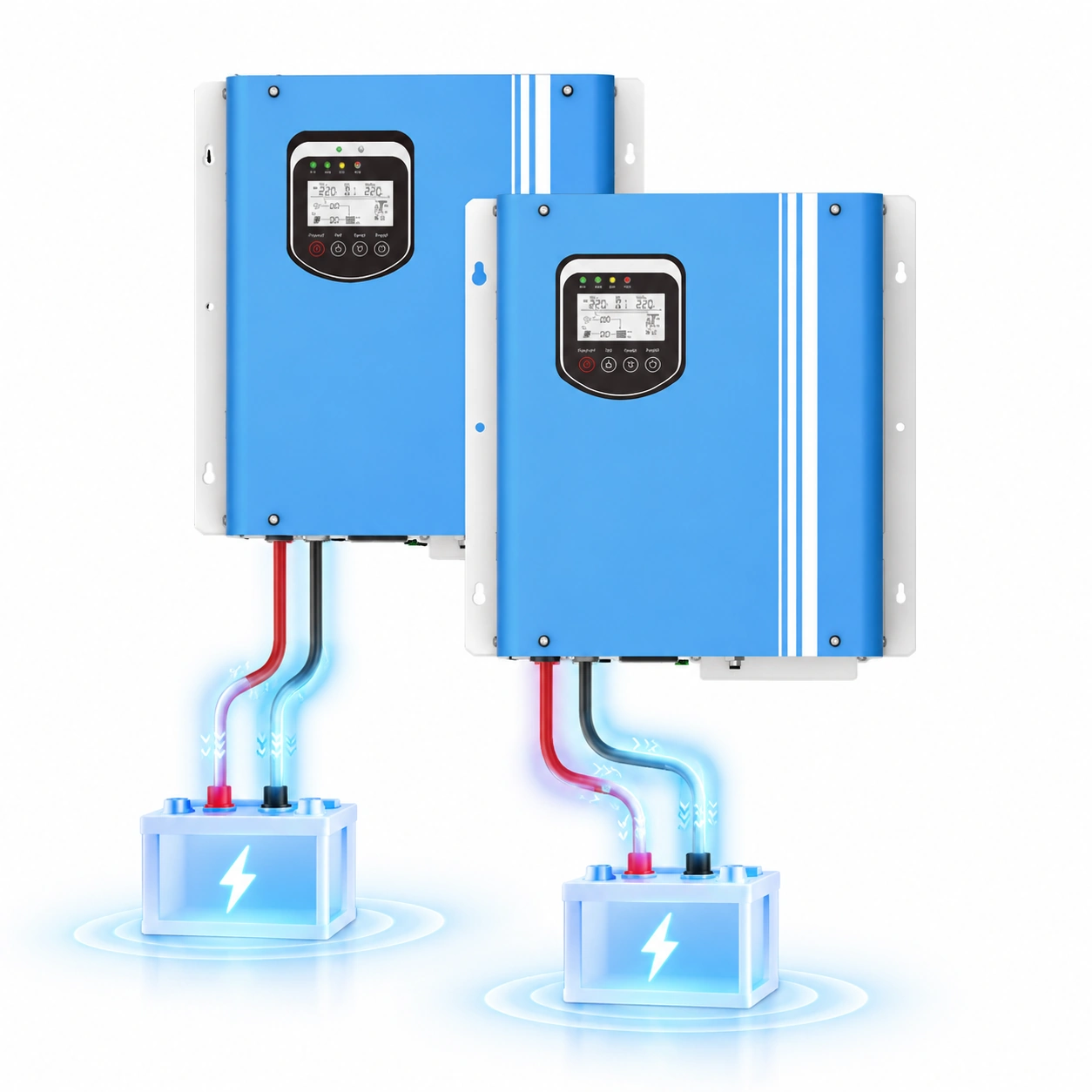
1 kW Output, Two Battery Voltages
NKW-1000E provides 1 kW output, with 12 V or 24 V battery configurations selected for the application.

Pure Sine Wave AC Power
Pure sine wave AC output is available with voltage options matched to your local supply and NKW configuration.
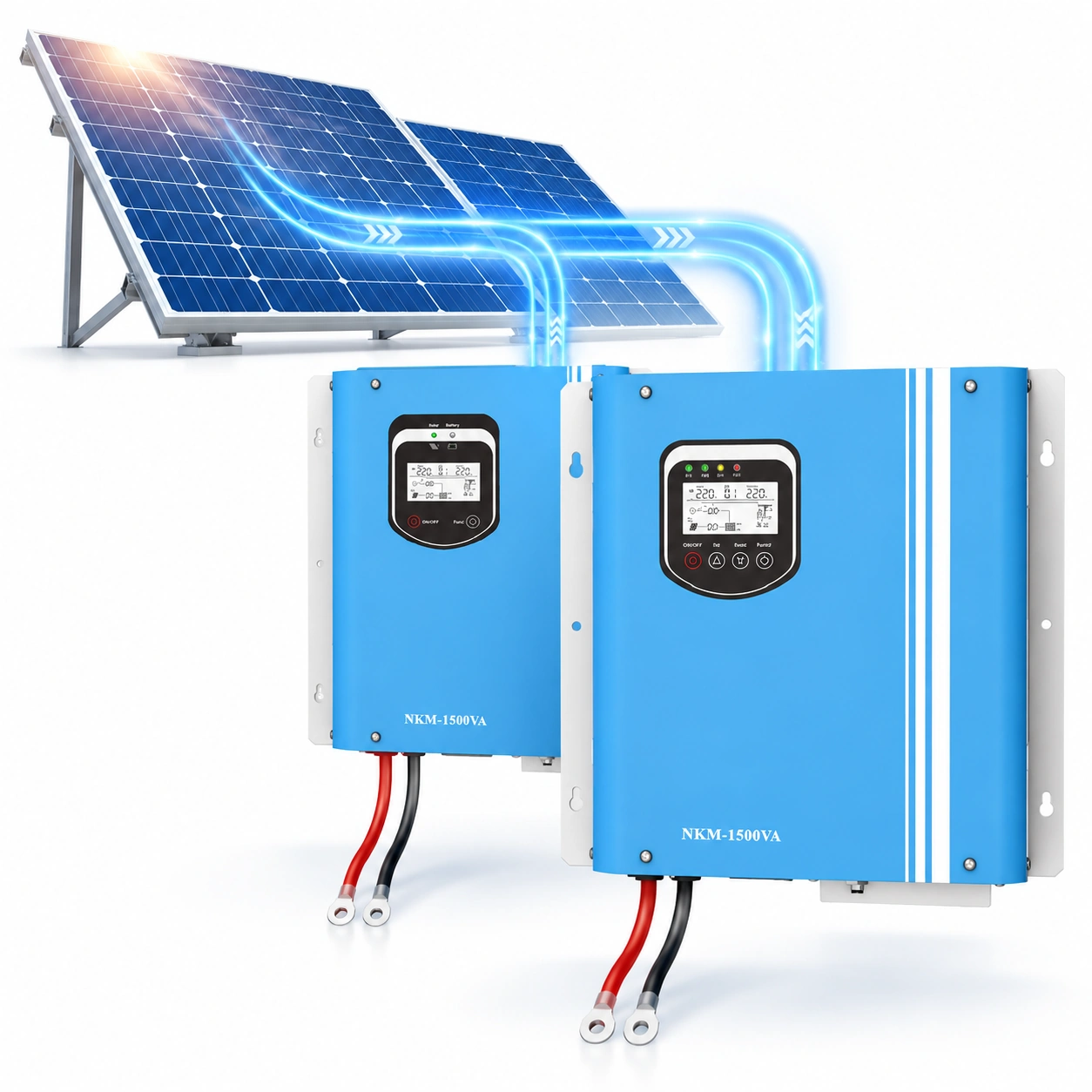
PV charging interface
Built-in 30 A PWM solar charging combines solar input and battery charging in one NKW inverter.
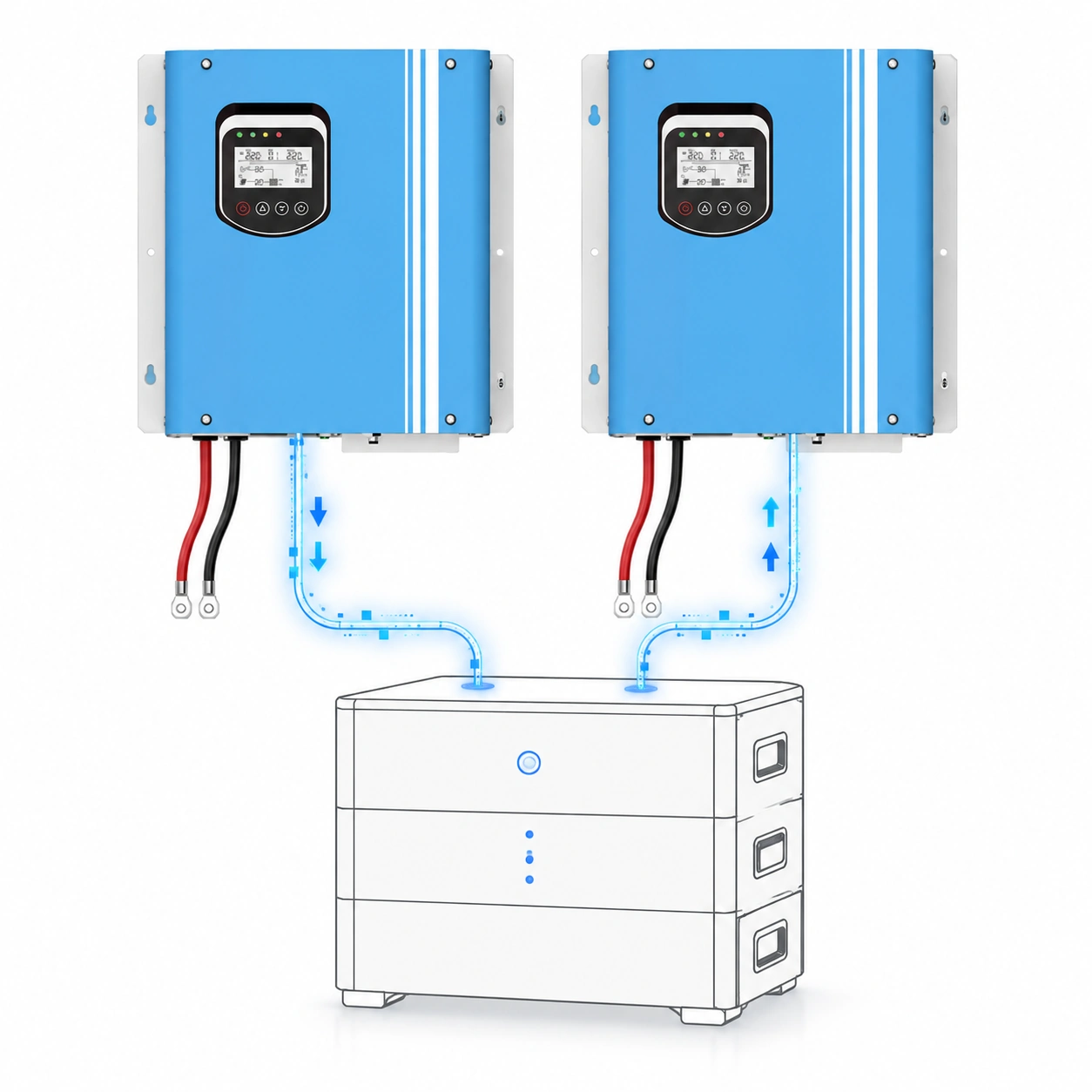
Battery connection
RS485 supports compatible LiFePO4 batteries when battery voltage and communication protocol are matched.
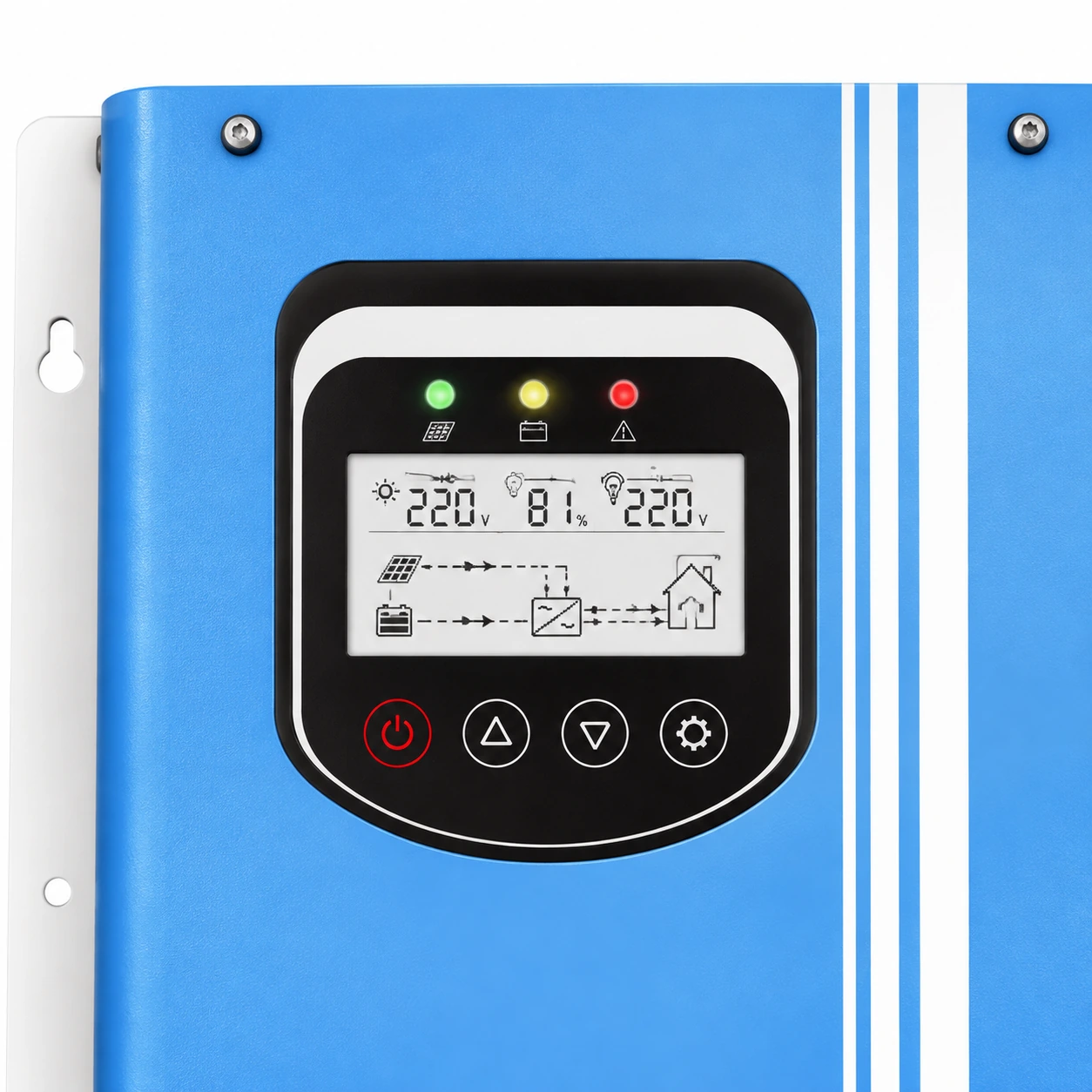
Display and controls
The NKW front-panel LCD presents operating information for local equipment checks.
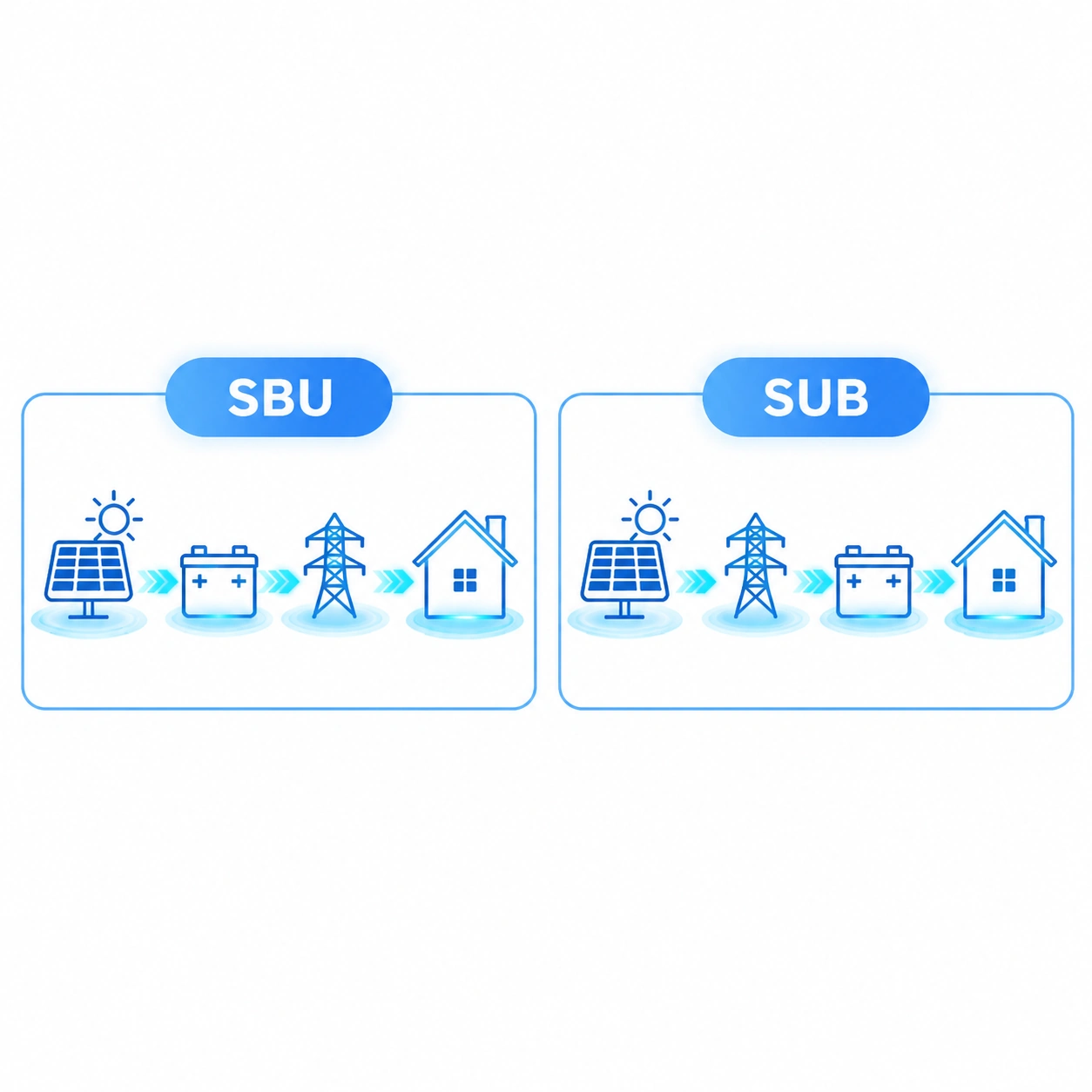
Selectable Power Priorities
Select SBU or SUB output priority to tailor your NKW inverter's operation to the available power sources.
Technical specification
DownloadThe two historical specification groups shown under NKW-1000E have not been confirmed as selectable configurations of the same model. Do not combine PWM and MPPT values. Verify the applicable specifications with SNADI before ordering or wiring.
| MODEL | NKW-1000E | NKW-1000E | ||
|---|---|---|---|---|
| Power Rating | 1000W | 1000W | ||
| Storage Battery | ||||
| Rated Voltage | 12VDC | 24VDC | 12VDC | 24VDC |
| Battery Type | Can be set | |||
| AC Input | ||||
| Charge Current | 0~30A | 0~25A | 0~15A | |
| Voltage Range | 73~138/145~275VAC | |||
| Frequency | 45~65Hz | |||
| AC Output | ||||
| Voltage Range | 100/110/120(VAC) 200/210/220/230/240(VAC) | |||
| Frequency | 50/60Hz±1%(inversion mode) | |||
| Output Waveform | Pure Sine Wave | |||
| Change-over | <10ms(typical load) | |||
| Productiveness | >85%(80% resistive load) | |||
| Overload | 110~120%/30s;>160%/300ms | |||
| Protection Function | Battery over voltage and low voltage protection,overload protection, short circuit protection,overtemperature protection,etc | |||
| MPPT Solar Energy Controller | ||||
| MPPT Voltage Range | / | 18~100VDC | 34~100VDC | |
| Maximum Solar Panel Input Power | 570Wp | 1130Wp | ||
| Floating Charging Voltage | 13.75VDC | 27.5VDC | ||
| Balanced Charging Voltage | 14.2VDC | 28.4VDC | ||
| Machine Efficiency | ≥99% | |||
| Rated Charging | 40A(Max) | |||
| The PWM Solar Energy Controller | ||||
| Solar Power | 420W | 840W | / | |
| Maximum PV Voltage | 25VDC | 50VDC | ||
| Charging Voltage Range | 10~25VDC | 20~50VDC | ||
| Rated Charging Current | 30A | |||
| Overcharge Protection Voltage | 14.2VDC | 28.4VDC | ||
| Overcharge Recovery Voltage | 14VDC | 28VDC | ||
| Floating Charging Voltage | 13.7VDC | 27.4VDC | ||
| Operating Ambient | -15~50°C | |||
| Storage Environment | -20~50°C | |||
| Operating/Storage | And 0~90% without condensation | |||
| Appearance Dimensions:L*W*H(mm) | 308*130*332 | |||
| Package Dimensions:L*W*H(mm) | 350*200*390 | |||
| Weight(KG) | 9.5/10.5 | 9.7/10.7 | ||
Why We Recommend the NKW Inverter

A 1 kW solar setup can still give your customers meaningful choice. With the NKW, we bring pure sine wave output and built-in PWM solar charging into a wall-mounted inverter supplied with a battery cable. Its low-frequency ring transformer design and 12 V or 24 V battery versions give you a focused product to offer when the requirement is small-scale power—not a larger inverter chosen simply because it has more watts.
What makes us recommend the NKW is the control it gives customers within that 1 kW format. Selectable SBU/SUB priorities let them choose how available power sources are prioritised, while RS485 communication supports compatible LiFePO4 batteries. For your next small-power offering, choose the NKW for its combination of integrated solar charging, battery options and user-selectable operation.
Explore More Solar Hybrid Inverters
View All Solar Hybrid Inverters


FAQS

Which NKW power and battery-voltage version should I quote?
The catalog lists the NKW-1000E at 1000W with a 12VDC or 24VDC storage-battery rated voltage. Confirm the battery-voltage configuration required for the load and installation before ordering.
How should I size the solar array for the NKW battery-voltage version?
NKW uses a 30 A PWM controller. The 12 V version lists 420 W solar power, 25 V maximum PV voltage and a 10–25 V charging-voltage range; the 24 V version lists 840 W, 50 V and 20–50 V respectively. Send the panel ratings and proposed connections so the array can be checked against the chosen version.
Which AC and protected-load configuration should I confirm?
The NKW catalog gives AC input of 73~138/145~275VAC at 45~65Hz, AC output choices of 100/110/120VAC or 200/210/220/230/240VAC, 50/60Hz±1% in inversion mode, pure sine wave output and <10ms typical-load change-over. Confirm the local supply and customer loads with SNADI.
How should I confirm LiFePO4 battery RS485 compatibility?
The catalog states compatibility with LiFePO4 batteries via RS485. Provide the battery model or protocol requirement so SNADI can confirm compatibility for the selected NKW configuration; this does not imply universal BMS or CAN support.
What information is needed for a factory quotation?
Send the NKW-1000E battery-voltage version, customer loads, local AC supply, PWM PV array, battery choice, RS485 compatibility requirement and order quantity. SNADI can then confirm the electrical setup and prepare a factory quotation.