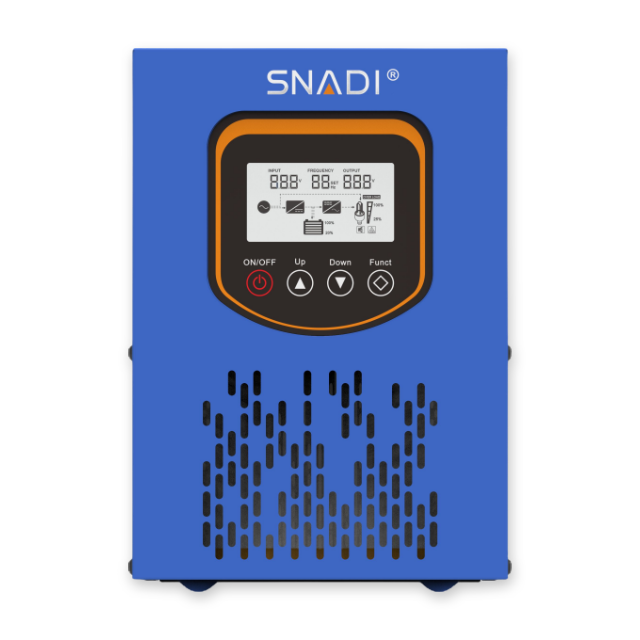
SNADI SN Off-Grid Solar Inverter (IGBT)
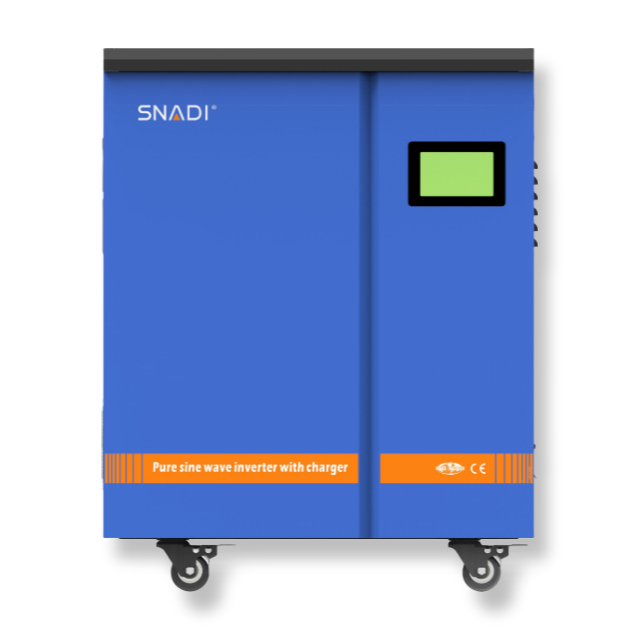


Main Feature
- Pure sine wave 110VAC or 220VAC
- Compatible with LiFePO4 battery via RS485
- Low frequency (built-in strip transformer)
- Supports multiple output priorities: SBU, SUB
- Communication interface: RS232 / RS485 / dry contact
- EQ function to optimize battery performance and extend lifecycle
Product Details

Pure sine wave output
SN delivers pure sine wave output with 110 VAC or 220 VAC options, depending on the selected configuration.
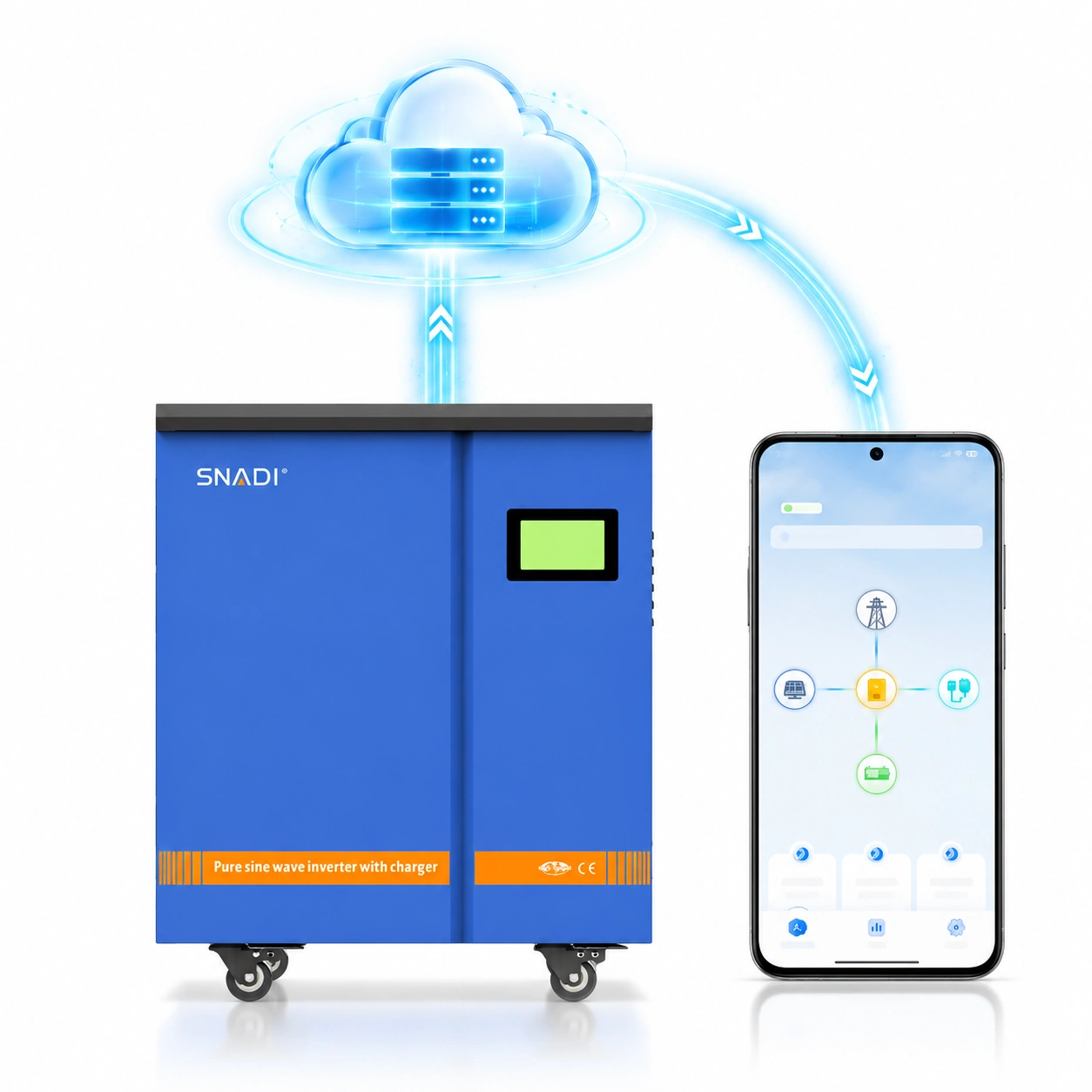
LiFePO4 battery communication
LiFePO4 communication uses RS485 with a compatible battery model, voltage and communication protocol.
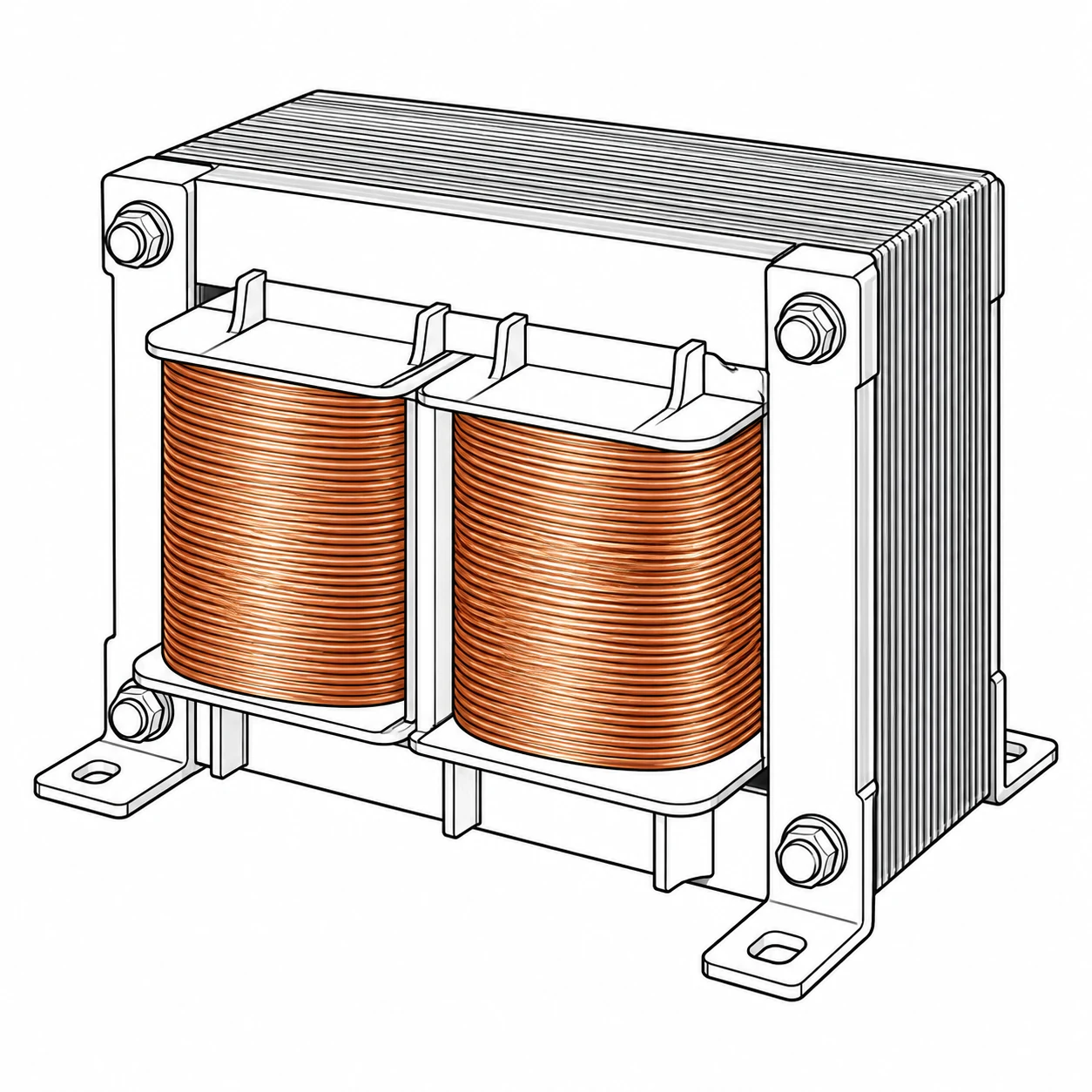
Low-frequency strip transformer
A built-in strip transformer forms part of the SN inverter's low-frequency architecture.
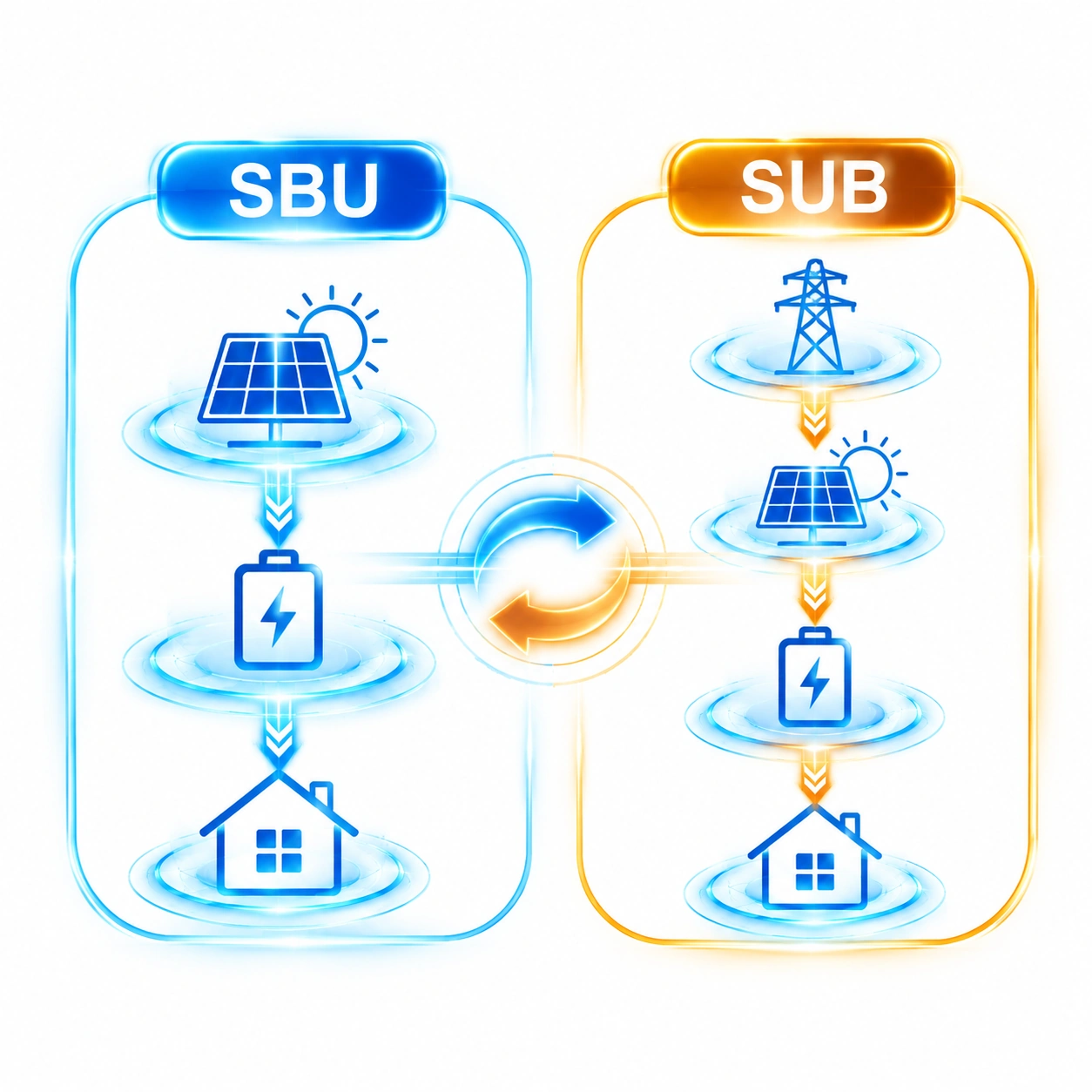
SBU / SUB output priorities
SBU and SUB settings provide output-priority choices for the intended SN operating configuration.
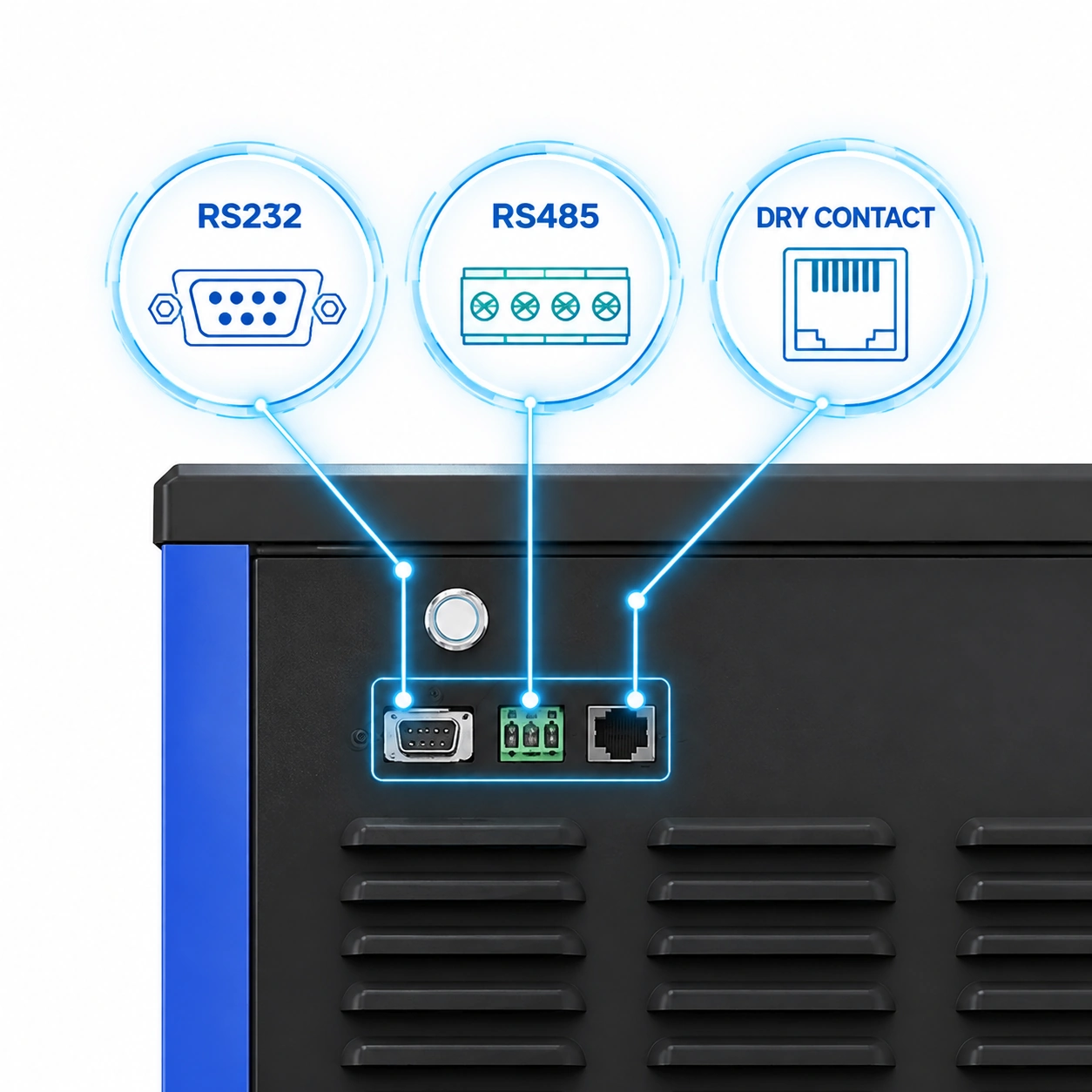
RS232, RS485 and dry contact
RS232, RS485 and dry-contact interfaces support the SN configuration's communication requirements.

EQ function
The SN includes an EQ function; its use and settings must suit the selected battery configuration.
Technical specification
Download| MODEL | SN-5000 | SN-10K | SN-15K | SN-20K |
|---|---|---|---|---|
| Rated Power | 5000W | 10000W | 15000W | 20000W |
| Battery | ||||
| Rated Voltage | 96/192VDC | 192/220/240VDC | ||
| Charge Current | 10~20A | |||
| Low Voltage Protection | 84/168VDC | 168VDC | ||
| Charging Voltage | 96VDC:108VDC 192VDC:217VDC | 192VDC:217VDC 220VDC:248VDC 240VDC:276VDC | ||
| Input | ||||
| Voltage Range | 88~132/176~264VAC | |||
| Frequency | 45~65Hz | |||
| Output | ||||
| Voltage Range | 110/220VAC±5%(Inversion mode) | |||
| Frequency | 50/60Hz±1%(Inversion mode) | |||
| Output Wave | Pure Sine Wave | |||
| Conversion Time | <10ms(Typical load) | |||
| Efficiency | >85%(100% Resistive Load) | >90%(100% Resistive Load) | ||
| Overload | 110~120%/60s;120~130%/10s 130~150%/2s;>150%/500ms | |||
| Protection Function | Battery overvoltage protection, battery undervoltage protection, overload protection, short circuit protection, overtemperature protection, etc. | |||
| Ambient Temperature For Operation | 0~40°C | |||
| Ambient Temperature For Storage | -15~50°C | |||
| Operation/Storage Ambient | 0~90% No Condensation | |||
| Product Dimensions:L*W*H(mm) | 555*368*695 | 655*383*795 | ||
| Gross Weight (KG) | 80 | 110 | 150 | 170 |
Why We Recommend the SN Inverter

Take on higher-power off-grid projects with a range that reaches 20 kW. Our SN series offers 5, 10, 15 and 20 kW models built around a low-frequency strip transformer and pure sine wave output. That gives your business four distinct power levels to offer within one inverter family, from a 5 kW installation to a project requiring a 20 kW unit. We recommend the SN when higher output is a central part of what your customer needs.
Power is only part of the appeal. The SN combines battery charging with selectable SBU/SUB output priorities, and offers RS485 communication with compatible LiFePO4 batteries. Customers gain a choice in how power sources are prioritised; installers gain battery communication alongside the inverter's output capability. Put the SN in your higher-power off-grid range for that combination of capacity and operating control.
Explore More Solar Off-Grid Inverters
View All Solar Off-Grid Inverters
FAQS
Which SN model and rated power should I quote?
The 2026 catalogue lists SN-5000, SN-10K, SN-15K and SN-20K at 5000W, 10000W, 15000W and 20000W. Confirm the exact model code and rated power before ordering.
Which battery voltage configuration should I confirm?
The catalogue groups the SN battery-rated voltage as 96/192VDC for the first two columns and 192/220/240VDC for the last two. Confirm the battery bank voltage and charging-voltage configuration for the selected model.
What AC input and output requirements belong in the quotation?
The source table lists an 88~132/176~264VAC input range, 45~65Hz input frequency, and 110/220VAC±5% output voltage with 50/60Hz±1% inversion-mode frequency. Match the requested AC configuration to the exact model and destination market.
How should I confirm battery communication and output priority?
The main features list compatible LiFePO4 battery communication via RS485, RS232/RS485/dry contact interfaces and SBU/SUB output priorities. Confirm the battery model, communication protocol and required priority setting rather than assuming universal compatibility.
What information should I send SNADI for a factory quotation?
Send the exact SN model, required power, battery voltage and communication details, AC input/output requirements, load profile, destination market and order quantity. SNADI can then confirm the intended configuration against the current product documents.