
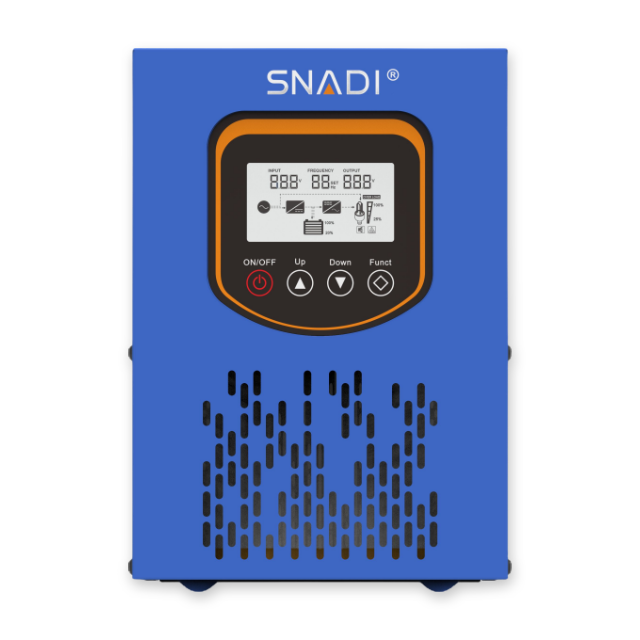
SNADI NKF Off-Grid Solar Inverter
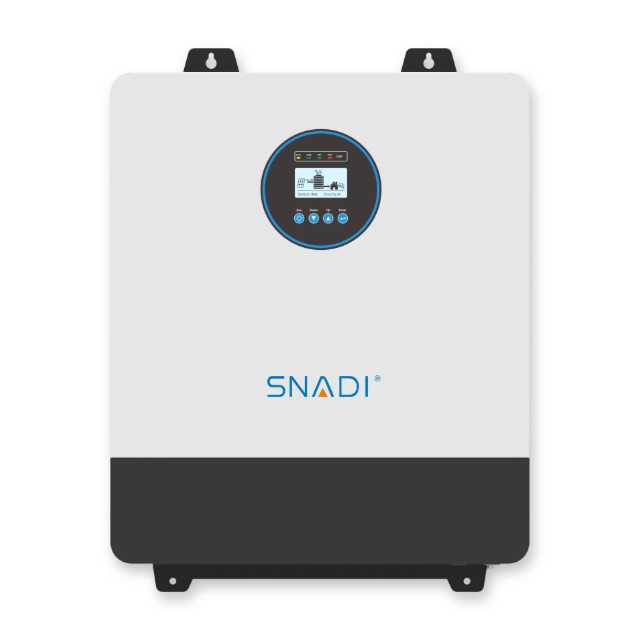


Main Feature
- Dual MCU intelligent control technology, excellent performance
- Input single-phase/split phase options, flexible to cope with various power environments
- The output voltage and frequency can be set, which is convenient and practical
- The unmanned function can be set, and the applicationscenarios are diversified
- Intelligent air-cooled heat dissipation, efficient and energy-saving
- Comprehensive protection and alarm functions, safe and reliable
Product Details
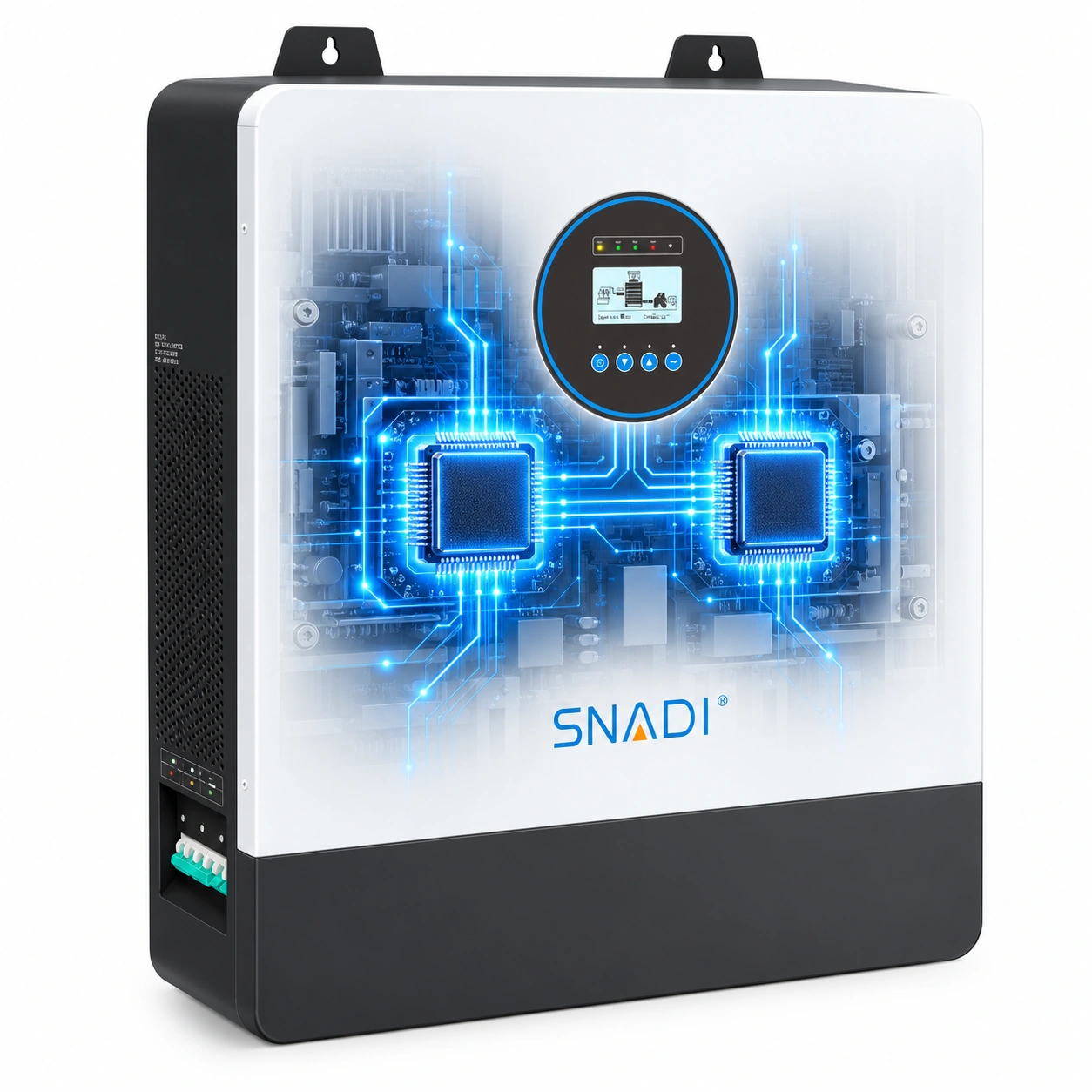
Dual MCU intelligent control technology
Dual MCU technology provides intelligent control within the NKF inverter's operating architecture.

Single-phase and split-phase options
Single-phase and split-phase input options support different AC supply arrangements, depending on the NKF model.
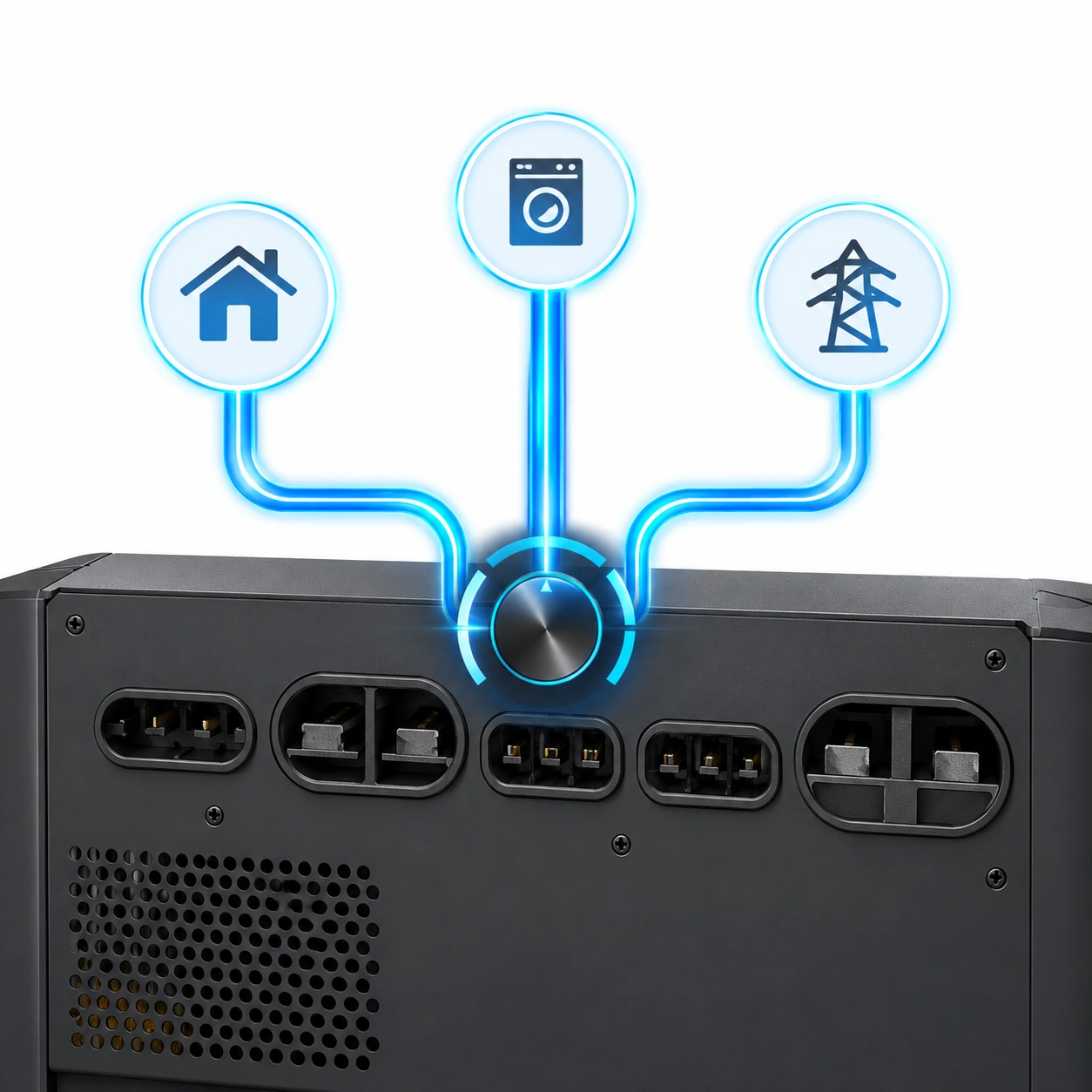
Adjustable output settings
Output voltage and frequency settings allow the NKF to be configured for the required AC output.
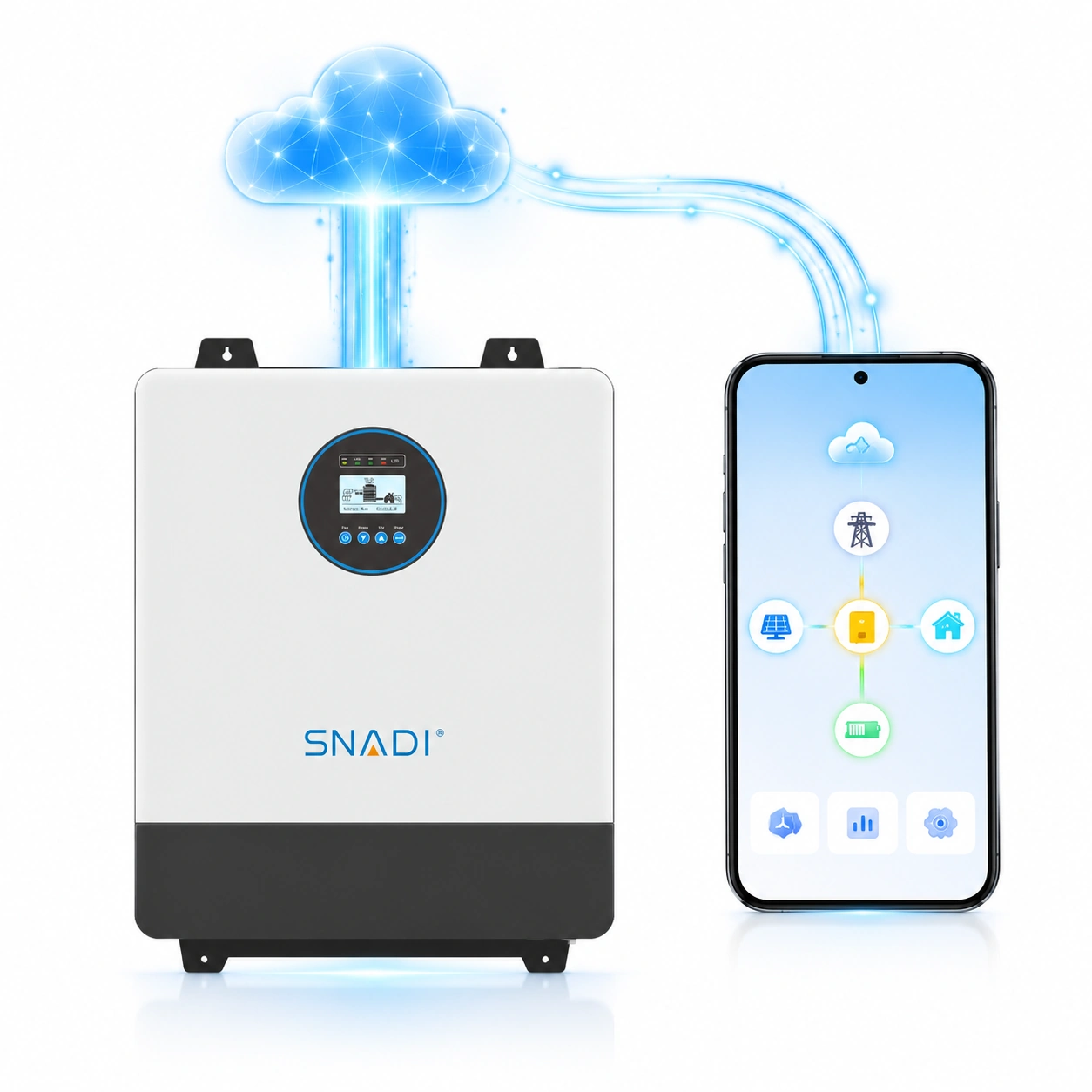
Unmanned operation and application scenarios
A configurable unattended-operation function supports NKF applications that need this operating mode.
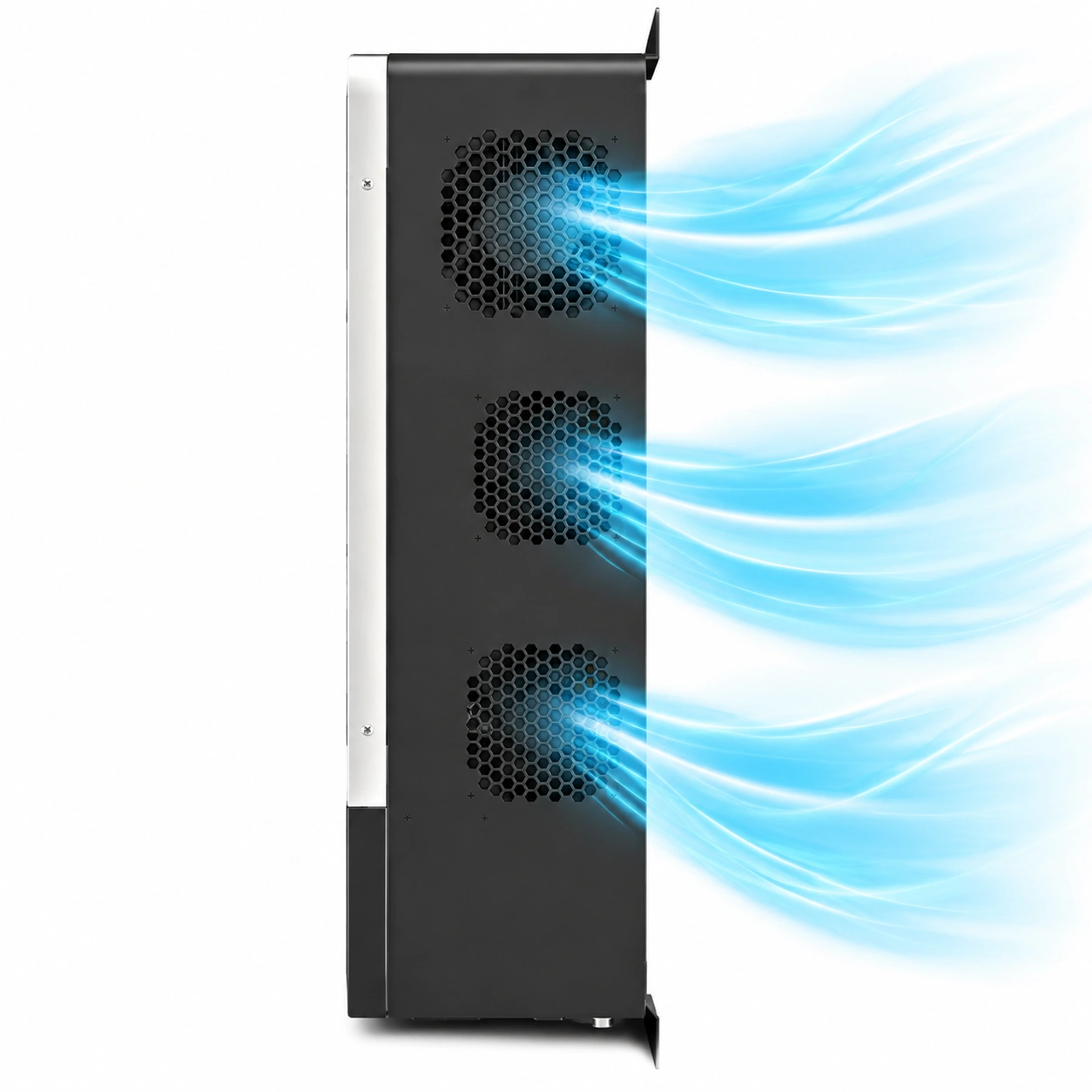
Intelligent air-cooled heat dissipation
Intelligent air cooling manages heat dissipation during operation of the NKF inverter.
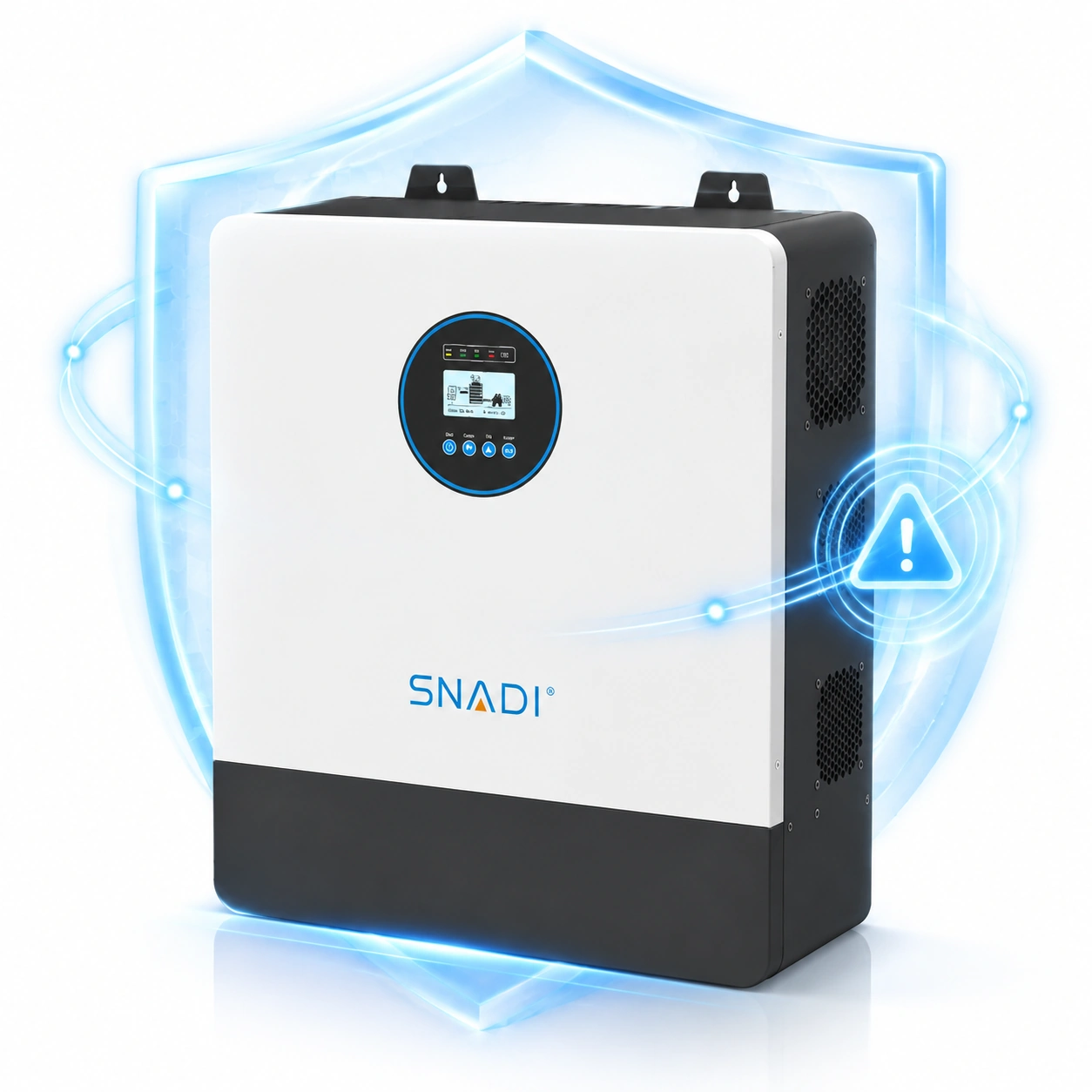
Protection and alarm functions
Built-in protection and alarm functions help identify operating faults in the NKF inverter.
Technical specification
Download| MODEL | NKF-302024 | NKF-302048 | NKF-402048 | NKF-502048 | NKF-642048 | NKF-802048 | NKF-103048 |
|---|---|---|---|---|---|---|---|
| Inverter | |||||||
| Rated Power | 3KW | 4KW | 5KW | 6.4KW | 8KW | 10KW | |
| Peak Power | 9KW | 12KW | 15KW | 19.2KW | 24KW | 30KW | |
| Rated Battery Voltage | 24V | 48V | |||||
| Controller MPPT | |||||||
| Charging Current | 60A | 80A | 120A | ||||
| Photovoltaic Input Interface | 60A*1 route | 80A*1 route | 120A*1 route | ||||
| Maximum Photovoltaic Input Power | 1440W | 2880W | 3840W | 5760W | |||
| Photovoltaic Input Voltage Range | 30V-180V(24V system); 60V-180V(48V system) | ||||||
| Conversion Efficiency | ≈99% | ||||||
| Unattended Mode | In shutdown state: MPPT rechargeable when there is sunlight, achieving unmanned photovoltaic operation | ||||||
| AC Input | |||||||
| Municipal Power Input | (L1-N)110VAC:80~130VAC | ||||||
| Voltage Range | (L1-N-L2)220VAC:160~260VAC/130~280VAC | ||||||
| Input Frequency Of Mains Power | 45Hz~65Hz(intelligent automatic detection) | ||||||
| Municipal Power Charging Current | Adjustable | ||||||
| AC Output | |||||||
| Inverted Output Waveform | pure sine wave | ||||||
| Inverter Output Efficiency | ≈90% | ||||||
| Inverter Output Voltage | (L1-N,L2-N):110VAC (L1-L2):220VAC | ||||||
| Inverter Output Frequency | 50Hz/60Hz Adjustable | ||||||
| Energy Saving Mode Loss | 5W | ||||||
| Working Mode | |||||||
| Inverter Working Mode | City power priority mode, battery priority mode, energy-saving mode, unmanned operation, generator mode | ||||||
| Battery Parameters | |||||||
| Support Battery Types | Lead acid battery/colloidal battery/lithium iron phosphate/ternary lithium battery/battery customization | ||||||
| Custom Parameters For Batteries | Constant voltage charging, float charging, battery recovery, mains power recovery, low voltage alarm, low voltage protection | ||||||
| Battery Charging Method | Lead acid: three-stage charging, constant current, constant voltage, float charging Lithium battery: constant current, constant voltage | ||||||
| The number of lithium battery strings is optional | Lithium iron phosphate: 3.2V monomer, ternary lithium battery: 3.7V monomer | ||||||
| Protect | |||||||
| Low Battery Voltage | Battery undervoltage/overvoltage/overload protection/high temperature protection/charging method protection, etc | ||||||
| Display | |||||||
| LED Display | Mains power status, inverter status, charging status, alarm | ||||||
| Screen Display | Working status, input/output voltage, photovoltaic information display, inverter parameter settings, etc | ||||||
| Display Language | Chinese/English | ||||||
| Convert time | <10ms | ||||||
| Cooling Method | Intelligent temperature control | ||||||
| Communication | WIFI(RS485)/BMS(RS485) dry contact | ||||||
| Operating Temperature | -10°C~40°C | ||||||
| Altitude | ≤3000m | ||||||
Why We Recommend the NKF Inverter

We recommend the NKF for buyers who need a choice of power ratings and AC configurations—not a one-size-fits-all inverter. The range covers 3–10 kW, with single-phase/split-phase input options and adjustable output voltage and frequency. This gives you a practical starting point for matching the model to your customers’ power requirements and local AC supply, rather than selecting by wattage alone.
Intelligent air cooling, protection and alarm functions complement that flexibility. To turn your requirements into a clear purchasing decision, share your required power, AC arrangement, PV and battery configuration, and order quantity with SNADI. We’ll help confirm the appropriate NKF model and prepare a factory quotation, so you can compare a defined configuration—not just a headline price.
Explore More Solar Off-Grid Inverters
View All Solar Off-Grid Inverters
FAQS

Which NKF model and AC arrangement should I quote?
The catalog lists NKF-302024, NKF-302048, NKF-402048, NKF-502048, NKF-642048, NKF-802048 and NKF-103048. Confirm the rated power and the required single-phase or split-phase input arrangement for the exact model before ordering.
Which battery and communication details should I confirm?
The catalog lists lead acid, colloidal, lithium iron phosphate, ternary lithium and customized battery options, with WIFI(RS485)/BMS(RS485) dry contact communication. Share the battery type, voltage and required interface so SNADI can check the selected model.
What PV input limits belong in the quotation?
The catalog shows 60A*1, 80A*1 or 120A*1 photovoltaic interfaces, maximum photovoltaic input power of 1440W, 2880W, 3840W or 5760W by model grouping, and a 30V-180V (24V system) or 60V-180V (48V system) input range. Match the PV plan to the exact model column.
Which output and monitoring requirements should I discuss with SNADI?
The catalog documents pure sine wave output, adjustable output voltage and 50Hz/60Hz frequency, plus an under-10ms transfer time and the listed RS485/WIFI interfaces. Include the load, output and monitoring requirements for the factory team to verify.
What information is needed for a factory quotation?
Send the exact NKF model code, target quantities, PV input plan, battery type and voltage, AC input/output arrangement, communication requirement and destination market. SNADI can then confirm the model-specific configuration with the current documents.