
SNADI FTB Off-Grid Solar Inverter
Exterior style
Style 1 selected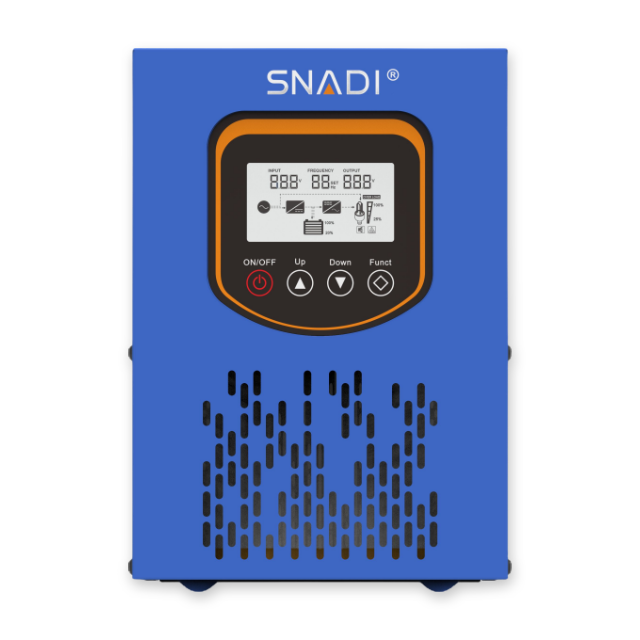


Main Feature
- Pure sine wave output
- LiFePO4 battery communication via RS485
- Low-frequency architecture with a built-in ring transformer
- Multiple output priority: SBU / SUB
- RS232, RS485 and dry-contact interfaces
- EQ function for battery performance and lifecycle
Product Details

Pure sine wave output
Pure sine wave output is specified across all eight FTB models in the low-frequency inverter range.
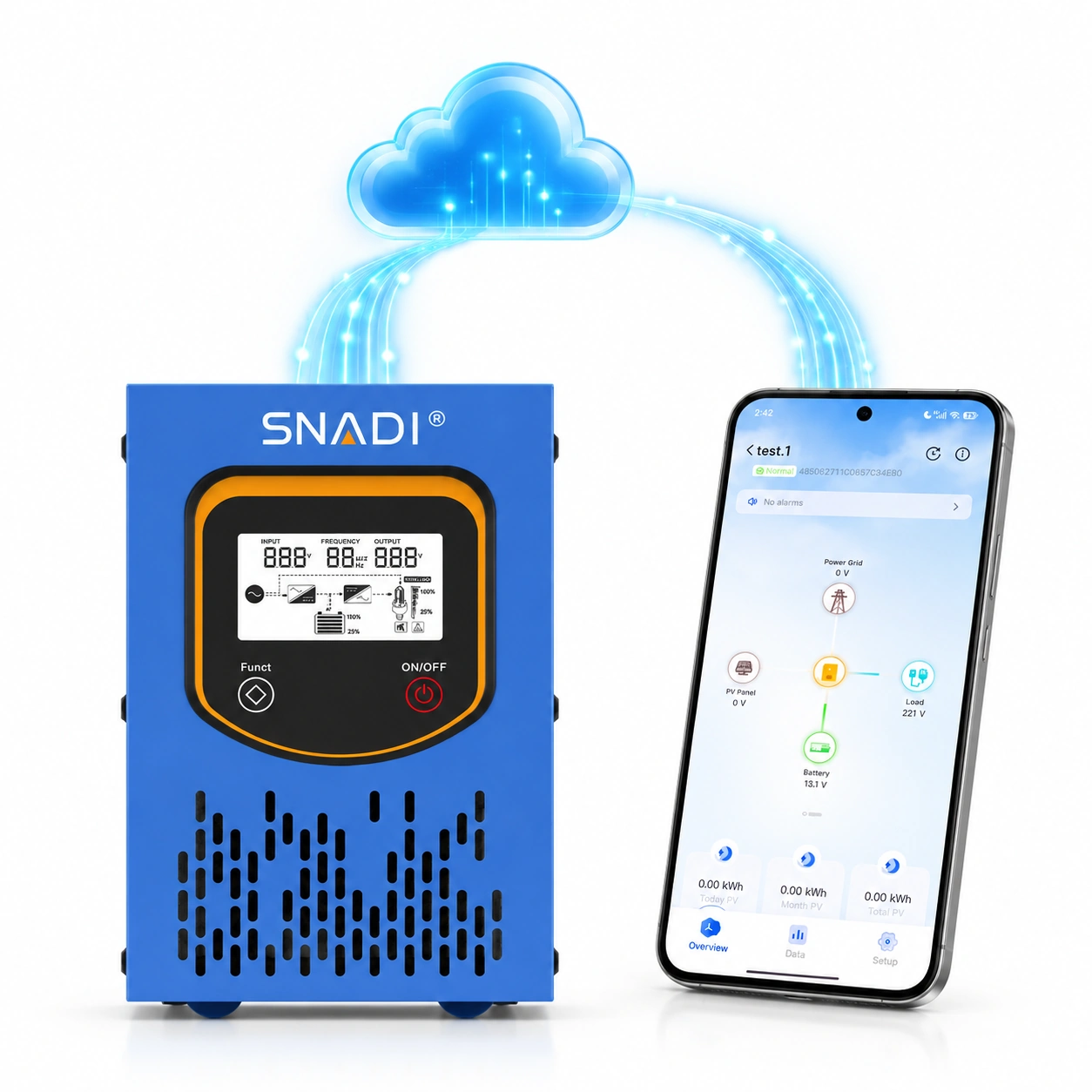
LiFePO4 battery communication via RS485
RS485 supports compatible LiFePO4 batteries; match the battery protocol to the selected FTB model.
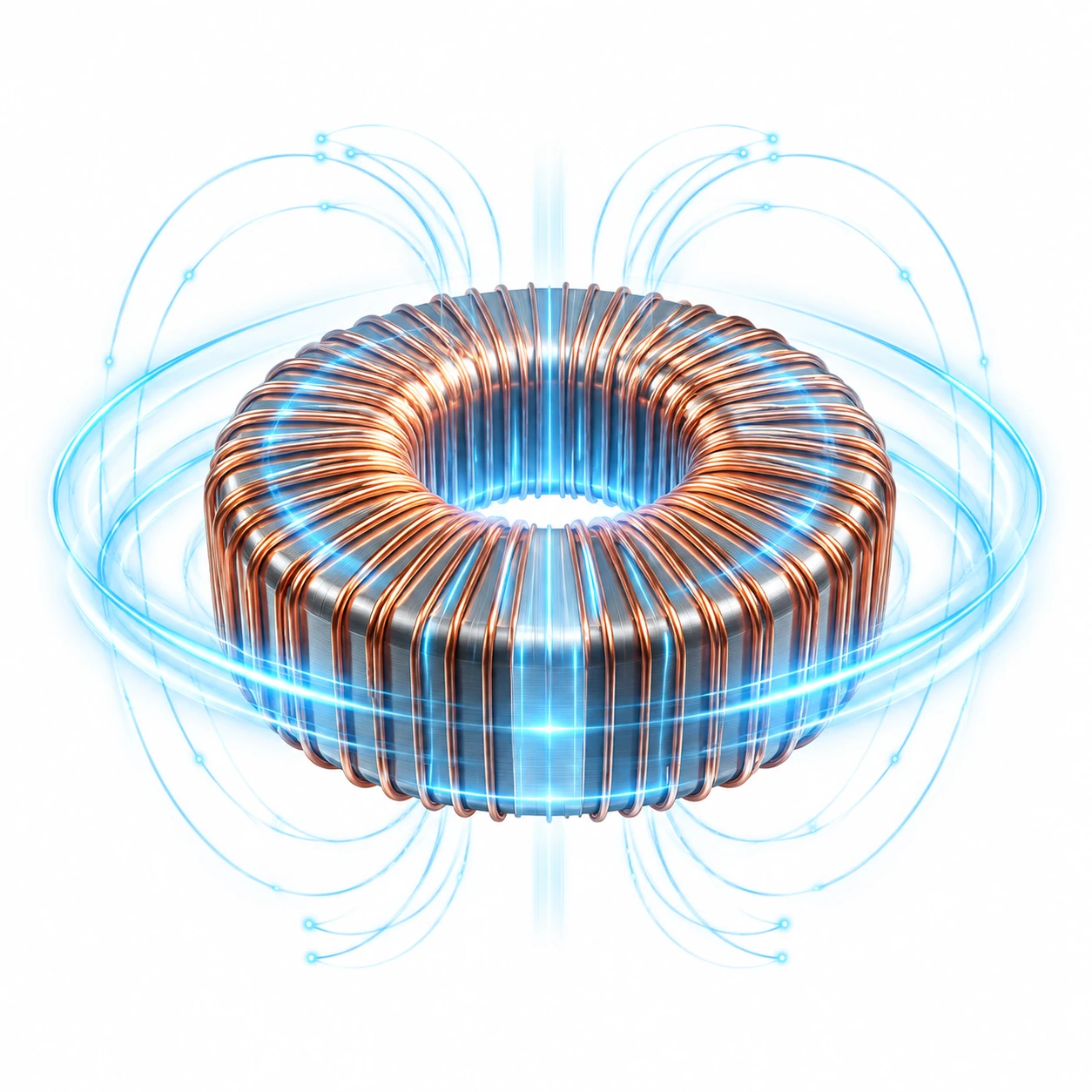
Low-frequency architecture
A built-in ring transformer forms part of the FTB inverter's low-frequency architecture.
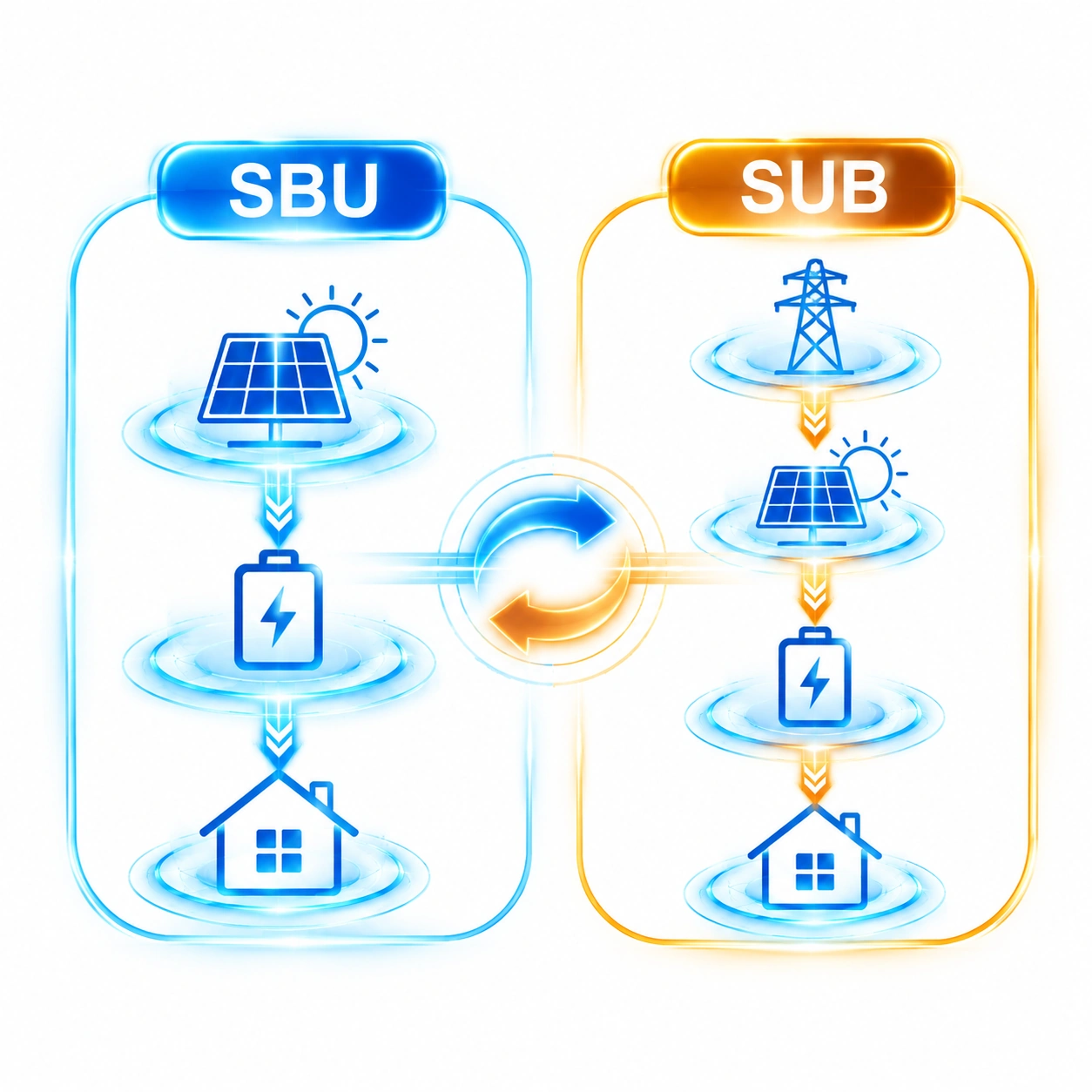
Multiple output priority
SBU and SUB modes provide output-priority choices for the selected FTB operating configuration.
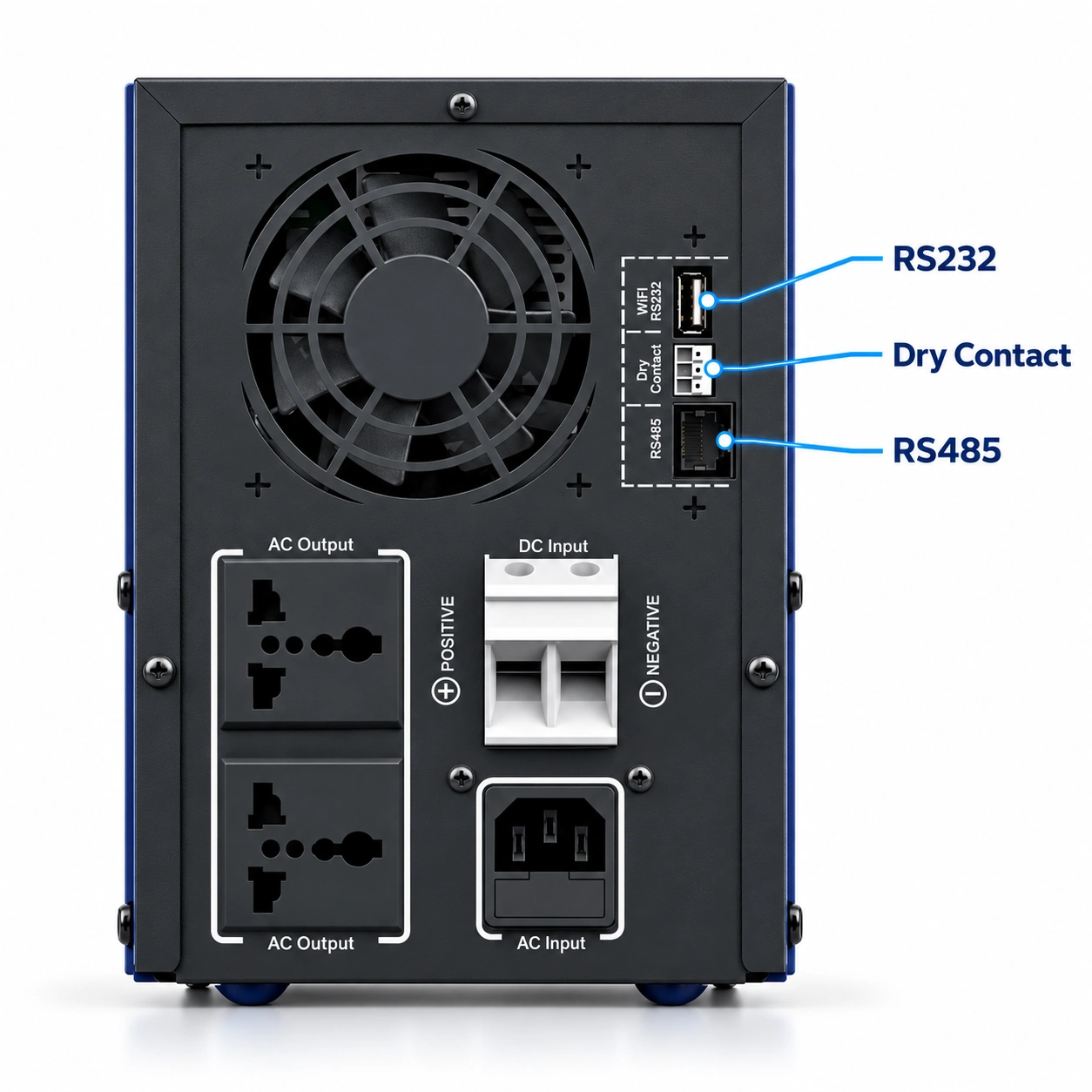
RS232, RS485 and dry-contact interfaces
RS232, RS485 and dry-contact interfaces provide communication options within the FTB family.

EQ function
FTB includes an EQ function; use the settings appropriate to the selected battery configuration.
Technical specification
Download| MODEL | FTB-500 | FTB-1000 | FTB-1500 | FTB-2000 | FTB-3000 | FTB-4000 | FTB-5000 | FTB-6000 |
|---|---|---|---|---|---|---|---|---|
| Rated Power | 500W | 1000W | 1500W | 2000W | 3000W | 4000W | 5000W | 6000W |
| Battery | ||||||||
| Battery Rated Voltage | 12/24VDC | 12/24/48VDC | 24/48VDC | 48VDC | ||||
| Input | ||||||||
| Voltage Range | 73~138VAC / 145~275VAC | 85~138VAC/170~275VAC | ||||||
| Frequency | 45~65Hz | |||||||
| Output | ||||||||
| Voltage Range | 110/220VAC±5%(Inversion mode) | |||||||
| Frequency | 50/60Hz±1%(Inversion mode) | |||||||
| Output Wave | Pure Sine Wave | |||||||
| Conversion Time | <10ms(Typical load) | |||||||
| Efficiency | >85%(80% resistive load) | |||||||
| Overload | 110~120%/60s;120~130%/10s 130~150%/2s;>150%/500ms | |||||||
| Protection Function | Battery overvoltage protection, battery undervoltage protection, overload, protection, short circuit protection, overtemperature protection, etc. | |||||||
| Ambient Temperature For Operation | 0~40°C | |||||||
| Ambient Temperature For Storage | -15~50°C | |||||||
| Operation/Storage Ambient | 0~90% No Condensation | |||||||
| Product Size: L*W*H (mm) | 302*122*188 | 316*149*215 | 432*210*330 | 551*215*344 | ||||
| Package Size: L*W*H (mm) | 375*195*260 | 410*215*280 | 498*305*402 | 622*315*416 | ||||
| Net Weight (KG) | 5.8 | 8.2 | 16 | 18.5 | 20.7 | 25 | 32 | 32 |
| Gross Weight (KG) | 7 | 9 | 23 | 25.5 | 27.5 | 27 | 42 | 35 |
Why We Recommend the FTB Inverter

What we value most in the FTB is the combination at its core: a built-in ring transformer and pure sine wave output. As the manufacturer, we see a strong reason to choose this inverter in the way it brings that low-frequency design together with control over power priorities and communication with compatible LiFePO4 batteries.
Battery integration deserves particular attention. RS485 communication gives the FTB a direct link to compatible LiFePO4 batteries, while SBU and SUB modes let users choose their preferred output priority. For an installer, these are useful capabilities to put in a customer's hands: battery communication and a choice in how power is used.
That is why we recommend the FTB with confidence. It brings together the low-frequency architecture, pure sine wave output and battery-related controls we value in an off-grid inverter, with models from 500W to 6kW serving different power requirements.
Explore More Solar Off-Grid Inverters
View All Solar Off-Grid Inverters
FAQS
Which FTB model and power rating should I quote?
The 2026 catalogue lists FTB-500, FTB-1000, FTB-1500, FTB-2000, FTB-3000, FTB-4000, FTB-5000 and FTB-6000, from 500W to 6000W. Share the target load, local AC supply, battery voltage and order quantity so SNADI can confirm the exact configuration.
Which battery voltage applies to my FTB model?
The catalogue groups the models as FTB-500/FTB-1000/FTB-1500 at 12/24VDC, FTB-2000 at 12/24/48VDC, FTB-3000/FTB-4000/FTB-5000 at 24/48VDC, and FTB-6000 at 48VDC. Confirm the exact battery voltage for the selected model before ordering.
What AC input and output should I confirm?
The catalogue lists 73~138VAC and 145~275VAC for FTB-500, 85~138VAC/170~275VAC for FTB-1000 through FTB-6000, 45~65Hz input frequency, and 110/220VAC±5% inversion output at 50/60Hz±1%. Confirm the local supply, output requirement and exact model with SNADI before quotation.
Which battery communication and interface details are documented?
The FTB catalogue lists LiFePO4 battery compatibility via RS485 and RS232, RS485 and dry-contact interfaces. Share the battery model, protocol and required interface so SNADI can check the selected configuration rather than assuming every battery is plug-and-play.
What should I specify if my FTB system will use solar charging?
Send the external solar charge-controller specification, battery-bank voltage and charging requirements with your FTB model code. The FTB ratings cover the inverter/charger and its AC and battery connections; have SNADI confirm the proposed solar charging arrangement and battery settings before ordering the system equipment.