
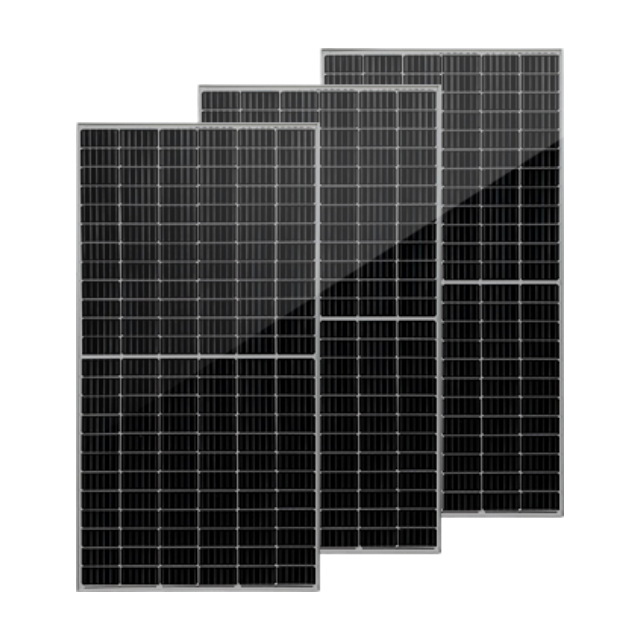
SNADI Solar Panel


Main Features
- Higher power generation, better LCOE
- N-type technology with very low LID
- Better temperature coefficient
- Better low-irradiance response
- Double electroluminescence (EL) tests, carefully inspected before and after lamination
Product Details
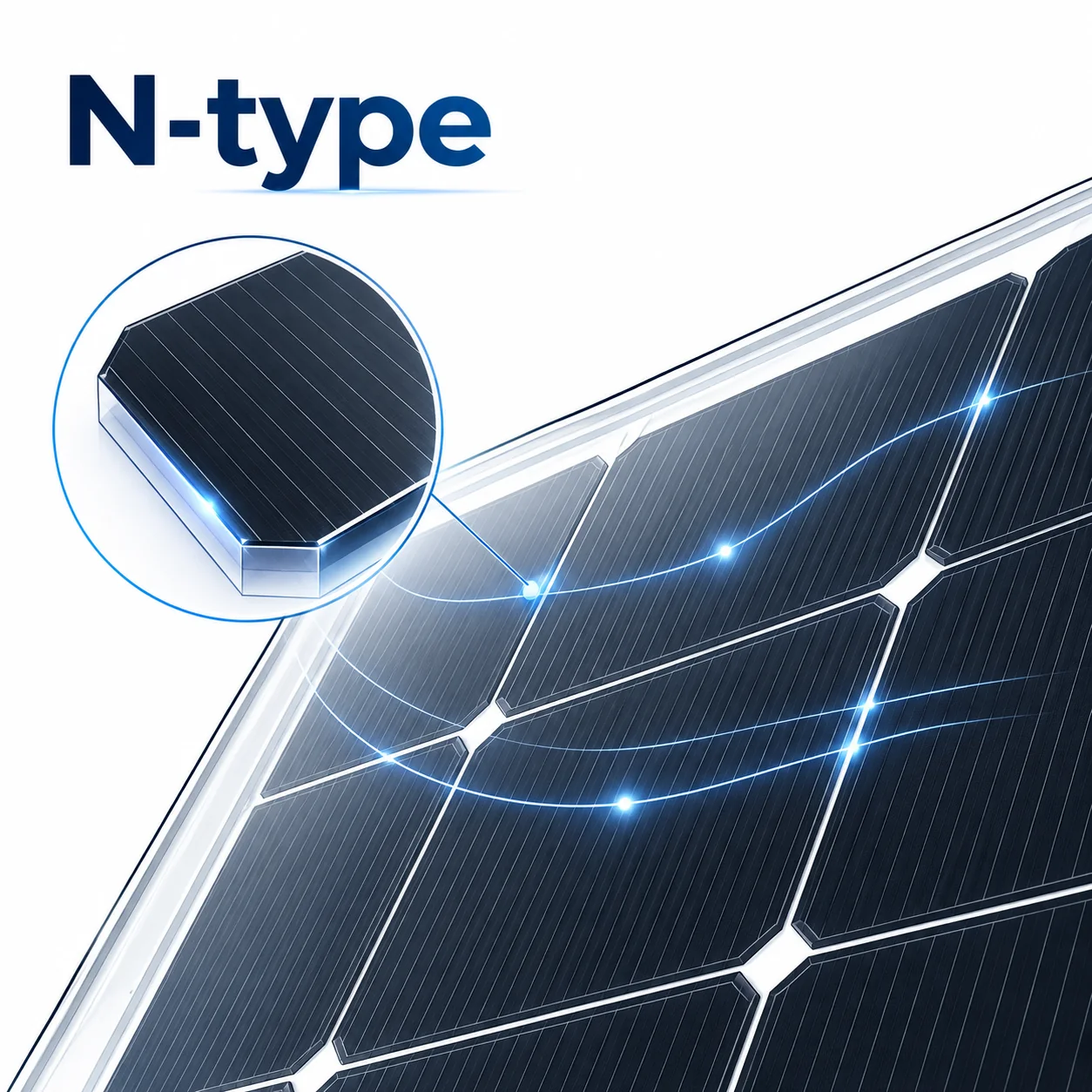
N-type Monocrystalline Design
N-type monocrystalline construction gives buyers a clear starting point when comparing solar panel options for new projects or system upgrades.
Higher Energy Yield
SNADI solar panels combine higher power generation with a lower levelized cost of energy (LCOE), helping you get more value from your solar investment.
Low LID
N-type technology keeps light-induced degradation (LID) very low, helping preserve solar panel output after exposure to sunlight and supporting the long-term value of your system.
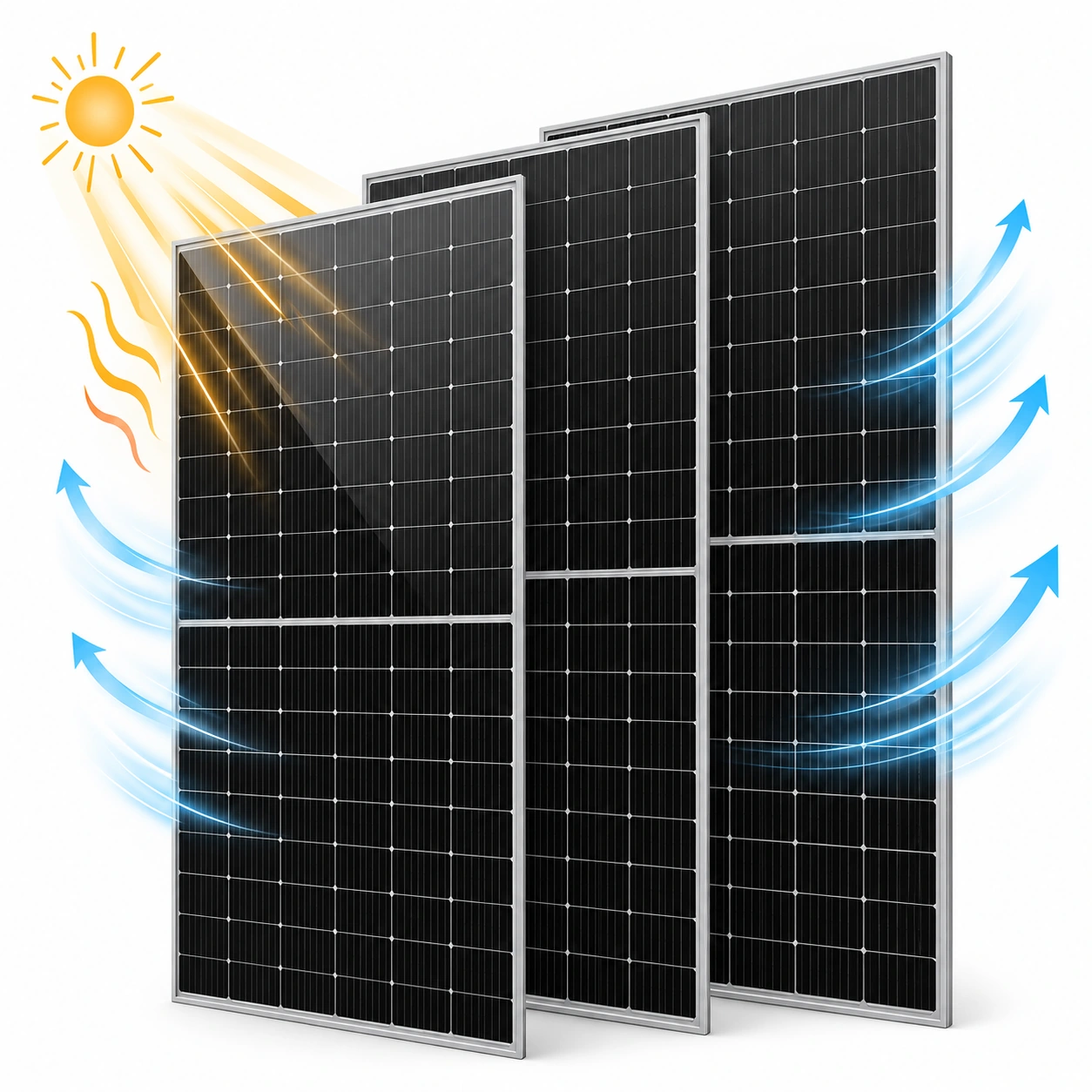
Heat Performance
A better temperature coefficient helps limit power losses as solar cells heat up, making SNADI panels a practical choice for solar projects in warmer conditions.
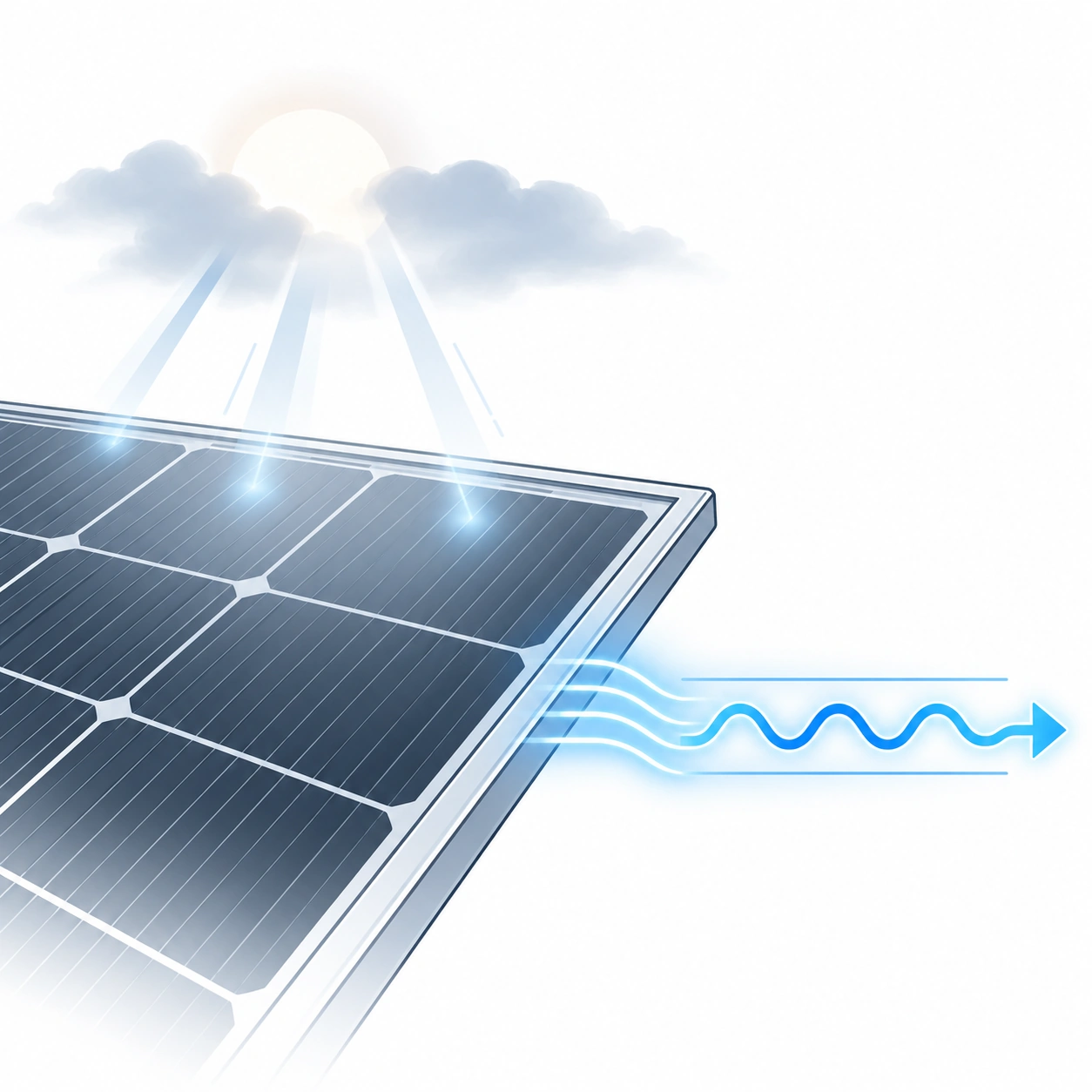
Low Light Performance
Better low-irradiance response helps SNADI solar panels make use of weaker sunlight, supporting energy generation when light levels are below peak conditions.
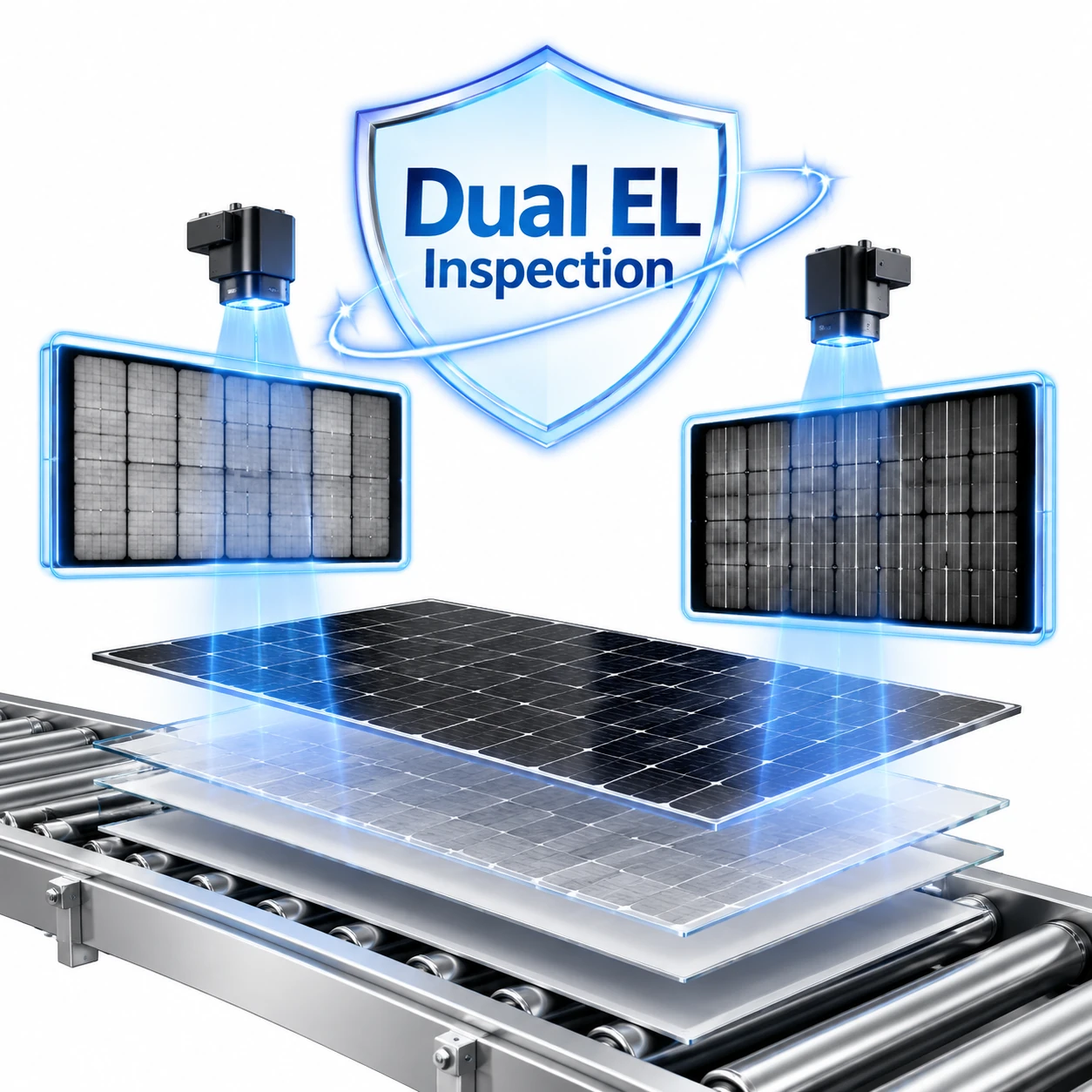
Dual EL Inspection
Electroluminescence (EL) inspections before and after lamination check module quality at two production stages, helping distributors and installers choose SNADI solar panels with confidence.
Technical specification
Download| MODEL | 200W | 300W | 450W | 590W | |
|---|---|---|---|---|---|
| Electrical Parameters at STC | Maximum Power | 200W | 300W | 450W | 590W |
| Voc | 24.18V | 35.73V | 38.49V | 51.02V | |
| Isc | 9.72A | 10.32A | 14.23A | 14.47A | |
| Vmp | 21.8V | 30.8V | 31.88V | 42.37V | |
| Imp | 9.17A | 9.74A | 13.49A | 13.69A | |
| Module Efficiency | 19.7% | 20.7% | 22.02% | 22.45% | |
| Temperature Characteristics | NOCT | 45±2°C | |||
| Temperature coefficient Voc | -0.275%/°C | ||||
| Temperature coefficient Isc | +0.046%/°C | ||||
| Temperature coefficient Pmax | -0.350%/°C | ||||
| Specifications | Weight | 11kg | 14.5kg | 24.7kg | 28.4kg |
| Dimension | 1480*680*30mm | 1560*880*30mm | 1722*1134*30mm | 2278*1134*30mm | |
| Maximum System Voltage | 1000V | 1500V | |||
| Junction Box | IP67 | IP68 | |||
| Frame | Aluminum Alloy | ||||
| Cable | 4mm²/700mm | 4mm²/900mm | 4mm²/300mm | 4mm²/350mm | |
| Connector | MC4 Compatible | ||||
| Application Level | Class A | ||||
Why We Recommend SNADI Solar Panels

We recommend SNADI Solar Panels to buyers who want their module choice to work beyond the nameplate power rating. The N-type design's very low light-induced degradation, better temperature coefficient and better low-irradiance response address three practical concerns: maintaining output, working in warmer conditions and making use of weaker sunlight. Combined with the catalogue's focus on higher power generation and better LCOE, these are concrete reasons to choose the panels for a generation-led solar project.
For distributors and installers, quality checks matter as much as the sales specification. SNADI's catalogue specifies two electroluminescence inspections, before and after lamination, to check the module at both production stages. That gives buyers a specific factory inspection process to assess alongside the panel's generation characteristics. We recommend this combination of N-type performance and documented EL inspection for customers looking for a persuasive product offer backed by identifiable manufacturing checks.
Explore More Other Solar Products
View All Other Solar Products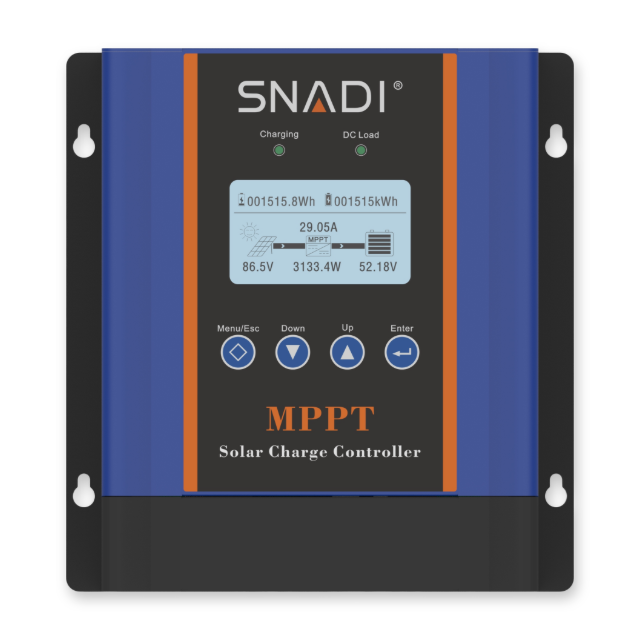
FAQS

What type of solar panel is SNADI Solar Panel?
The supplied product material identifies the panel as an N-type monocrystalline solar panel.
What inspection process is listed for the panels?
The product material lists EL inspections before and after lamination to check modules during production. Confirm the inspection records required for your order.
How do the panels respond to low light?
The range lists improved low-irradiance response. Site conditions still affect generation; use the selected module datasheet when estimating project output.
How should I match panels to an inverter?
Compare the selected module ratings and planned string layout with the inverter input limits. Send both model references for a configuration check before ordering.
What panel details should I include in a quotation request?
Send the intended module model, quantity, site conditions and array plan. Ask SNADI to confirm the electrical ratings and current datasheet for the proposed module.